Welcome to your starting point for mastering project risk management. Whether you’re preparing for the PMP® or PMI-RMP® exam, or you’re managing a real project with real uncertainty, this is the place to begin.
Welcome to your starting point for mastering project risk management. Whether you’re preparing for the PMP® or PMI-RMP® exam, or you’re managing a real project with real uncertainty, this is the place to begin.
This article gives you a deep breakdown of what project risk identification actually means, why it matters, and how to perform it effectively.
While this concept was touched on in our larger guide on iterative risk management, here we go deeper. Why? Because you can’t manage project risk well unless you start with clear, credible risk identification.
What Is Project Risk Identification?
Let’s unpack this clearly.
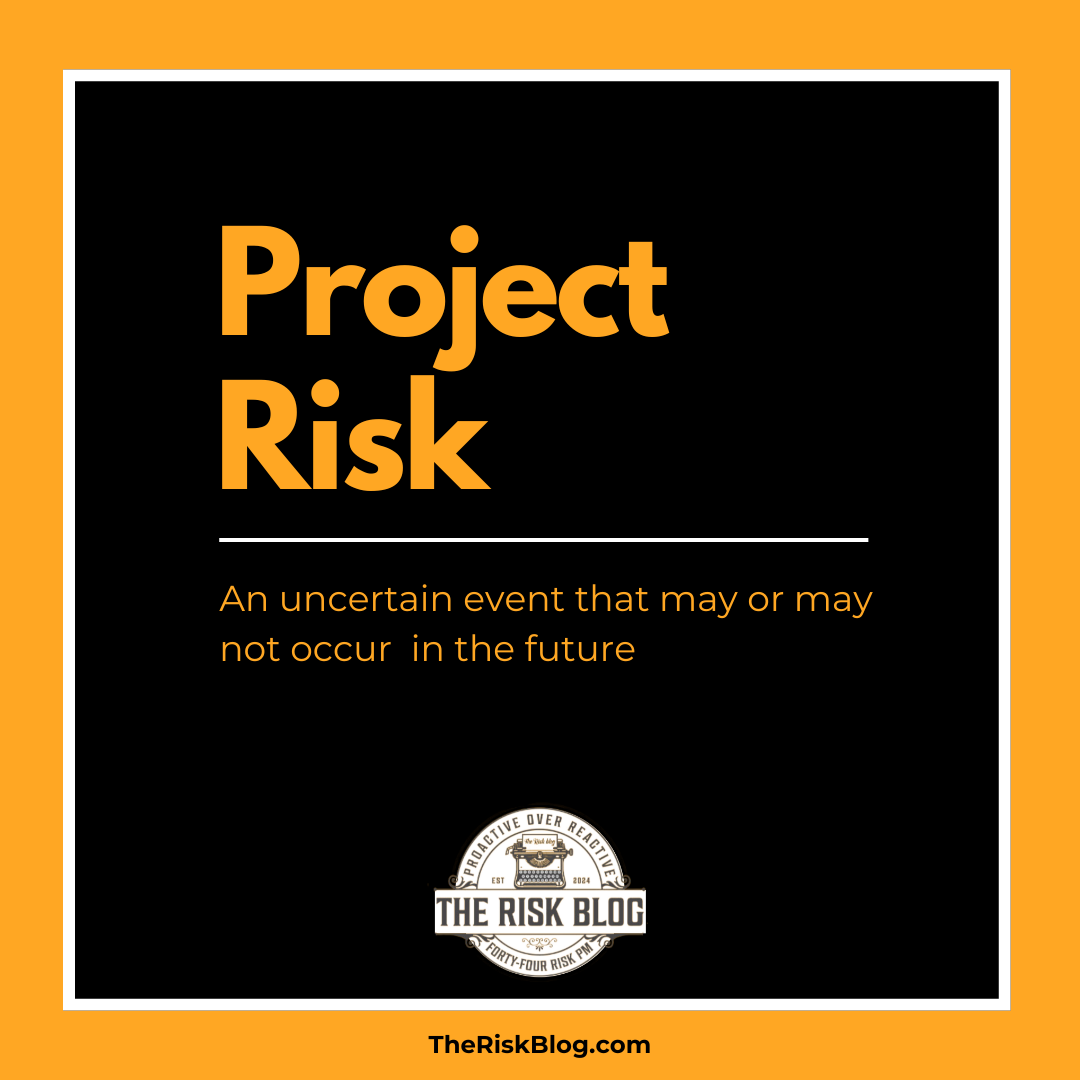
Risk identification is the structured process of discovering uncertainties that could impact your project—positively or negatively. According to the PMBOK® Guide:
“A risk is an uncertain event or condition that, if it occurs, has a positive or negative effect on one or more project objectives.”
That means risks are more than just problems. They’re possibilities that can affect:
Project timelines
Scope and deliverables
Budget and resources
Quality and stakeholder satisfaction
Why Project Risk Identification Matters (More Than You Think)
Let’s ask the big question:
Why should you care about identifying risks early?
The simple answer is because you can’t respond to or plan for what you haven’t identified.
Think of risk identification as your project’s radar. It doesn’t prevent all turbulence, but it allows you to spot and steer around the worst of it.
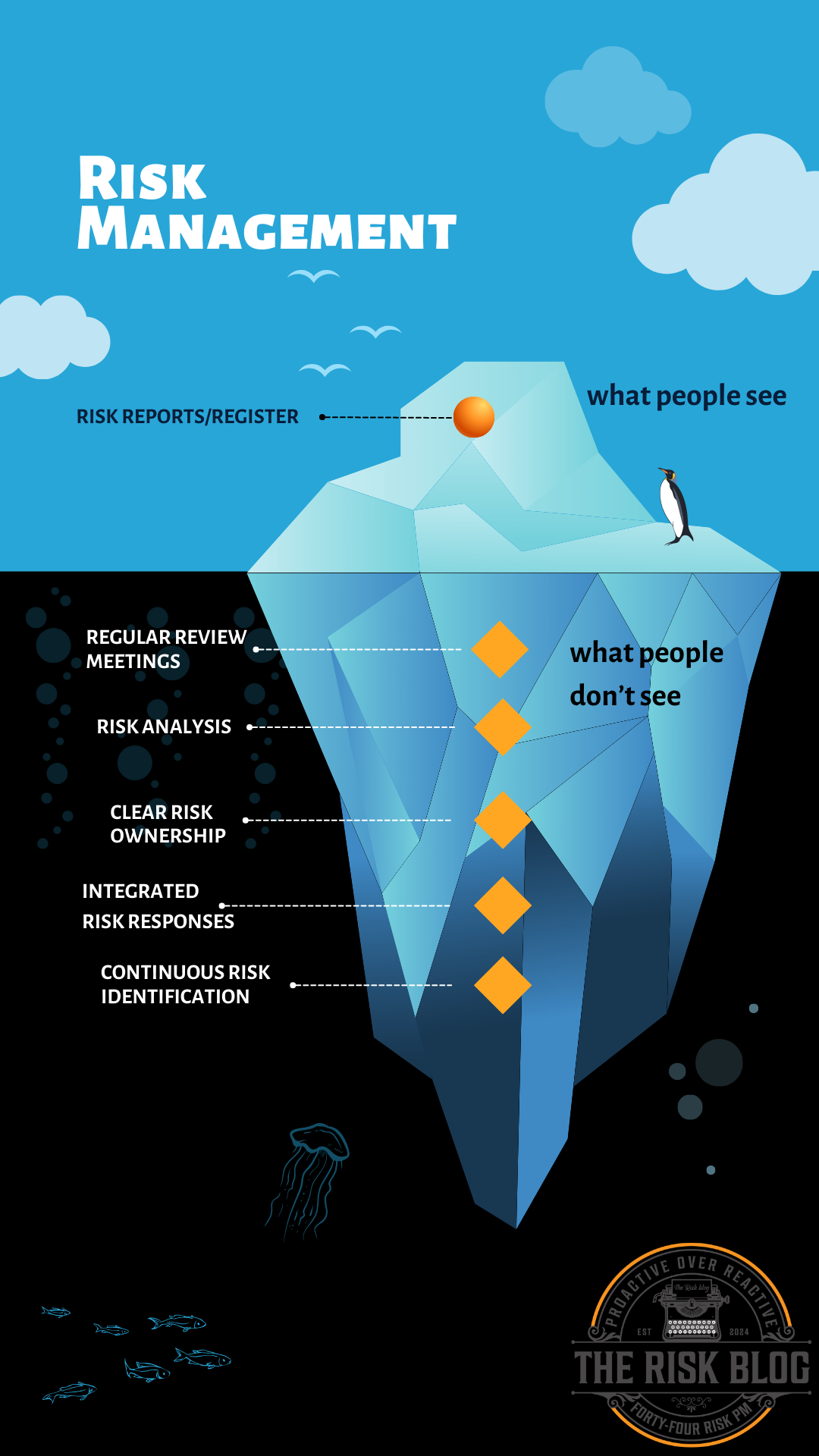
But like ships at sea, you need to watch out for the icebergs.
Risk management has one main visual that most people see, the risk register. But, there is a lot more that happens below the surface that ensures you and your project navigate waters safely.
A common mistake for project and project risk managers is assuming a risk is just a problem waiting to happen.
Not true.
A risk is any uncertainty that may affect your project’s objectives.
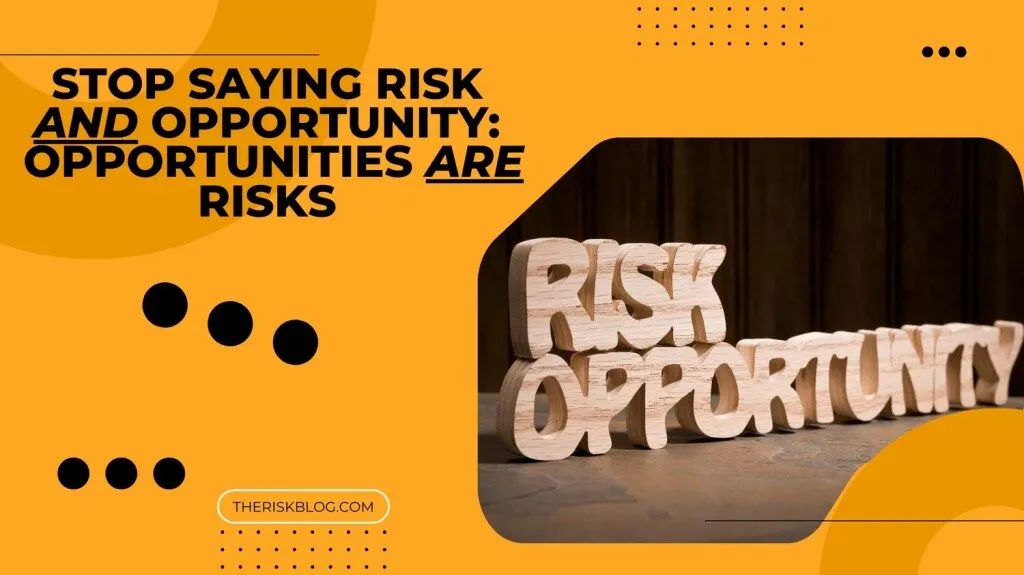
Two Types of Risk:
Negative risks (threats) – may cause delays, overruns, or failures
Positive risks (opportunities) – may lead to savings, early delivery, or quality gains
We cannot solely focus on the negative in our projects, we have to ensure we look for and try to embrace the opportunities, as well.
Doing so will do more than just move your projects in the right direction, it could be the difference between success and failure.
Writing the Risk Statement for Qualified Risks
Here’s how to properly record a risk:
Not a Risk
Valid Risk
“We don’t have enough staff”
“If key resources are unavailable during execution, delivery could slip two weeks”
“Testing is hard”
“If system integration testing identifies critical bugs late, rework may delay release”
When focusing on positive and negative risks, it is also critical to write the risks in the right format. Anyone can say “This is bad”, but a true project and project risk manager ensures that what is written is enough information to use for planning and analysis of the risks.
Inputs You Need Before Identifying Risks
Risk identification isn’t about guessing—it’s about scanning your project environment using reliable inputs.
Key documents and data sources:
Project Charter – defines objectives, constraints, high-level assumptions
Scope Statement & WBS – shows what is being delivered and how
Stakeholder Register – reveals whose expectations could shift
Historical Lessons Learned – shows where similar projects faced issues
Organizational Process Assets (OPAs) – previous risk logs, templates, best practices
These form your foundation for structured risk discovery.
The next step is to figure out WHO needs be involved with providing inputs for your risk identification.
Who Should Be Involved in Risk Identification?
This process is collaborative—not just the project manager’s job.
Include stakeholders who:
Understand the technical or operational challenges
Represent stakeholder concerns
Control or influence critical decisions
Have worked on similar projects before
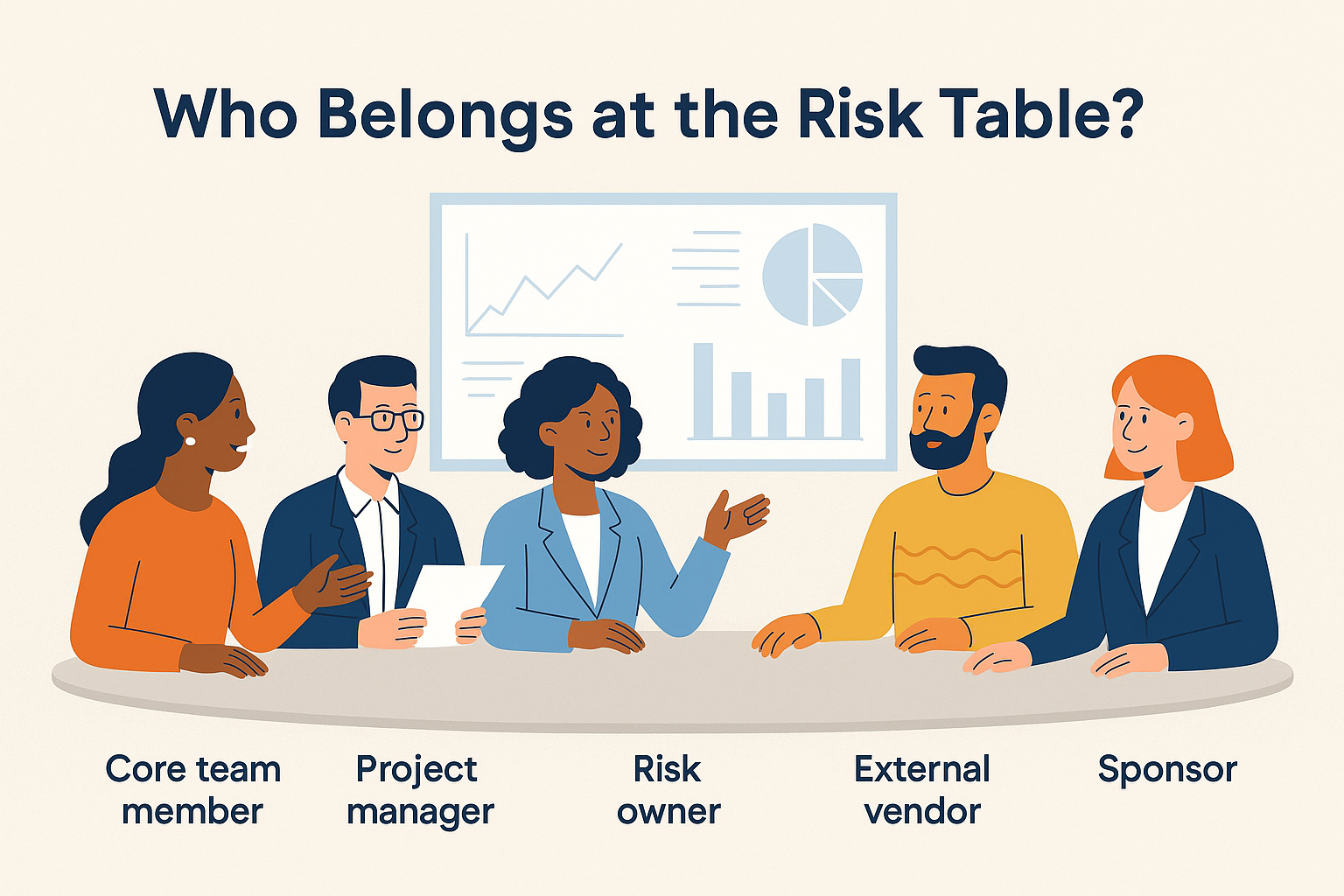
Typical participants:
Project manager (you)
Core team members
Functional experts
External vendors or customers
Risk owners and sponsors
How Do We Actually Identify Risks?
There are many tried-and-tested methods, and using more than one improves coverage..
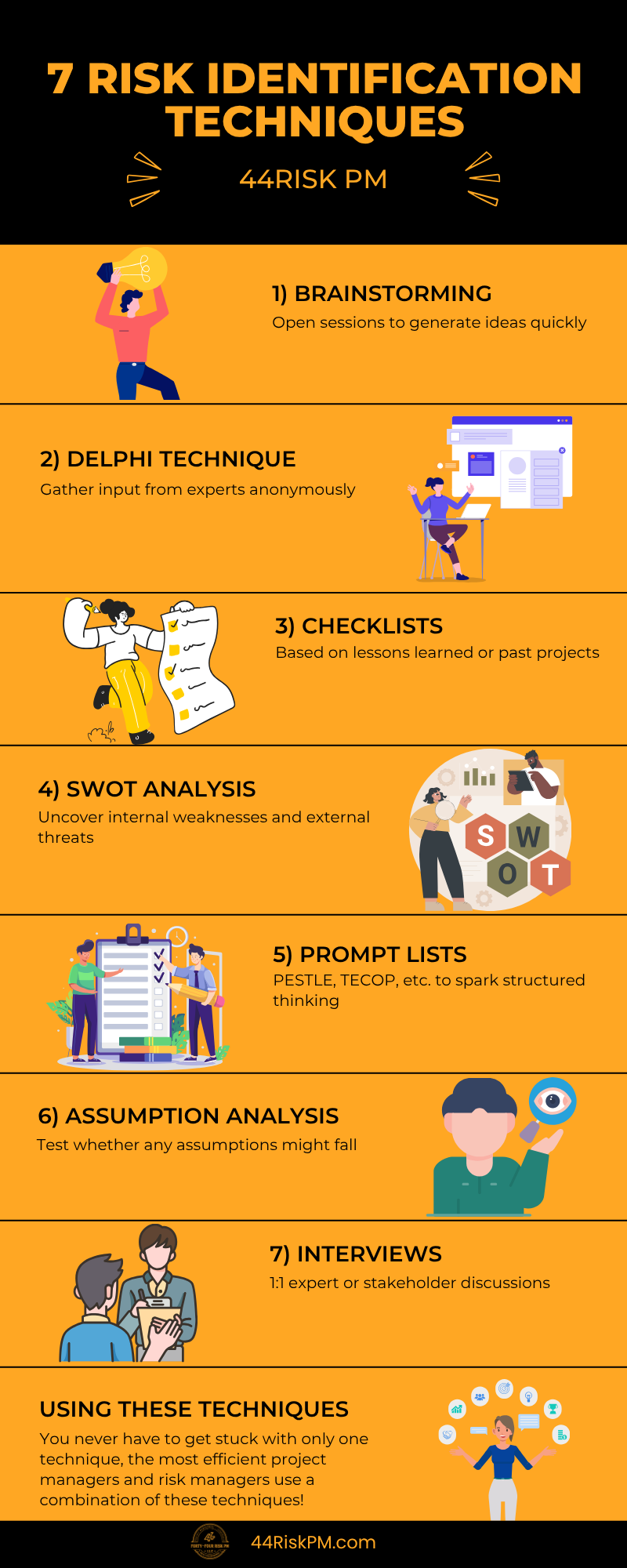
PMI-approved techniques include:
Brainstorming – open session to generate ideas quickly
Delphi Technique – gather input from experts anonymously
Checklists – based on lessons learned or past projects
SWOT Analysis – uncovers internal weaknesses and external threats
Prompt Lists – PESTLE, TECOP, etc., to spark structured thinking
Interviews – 1:1 expert or stakeholder discussions
Assumption Analysis – test whether any assumptions might fail
When using brainstorming, always follow up with structuring (e.g., sorting risks into categories like the Risk Breakdown Structure). Raw input is just the start—clarification is what turns ideas into action.
Call to Action1: Want to lead real-world risk identification sessions with confidence?
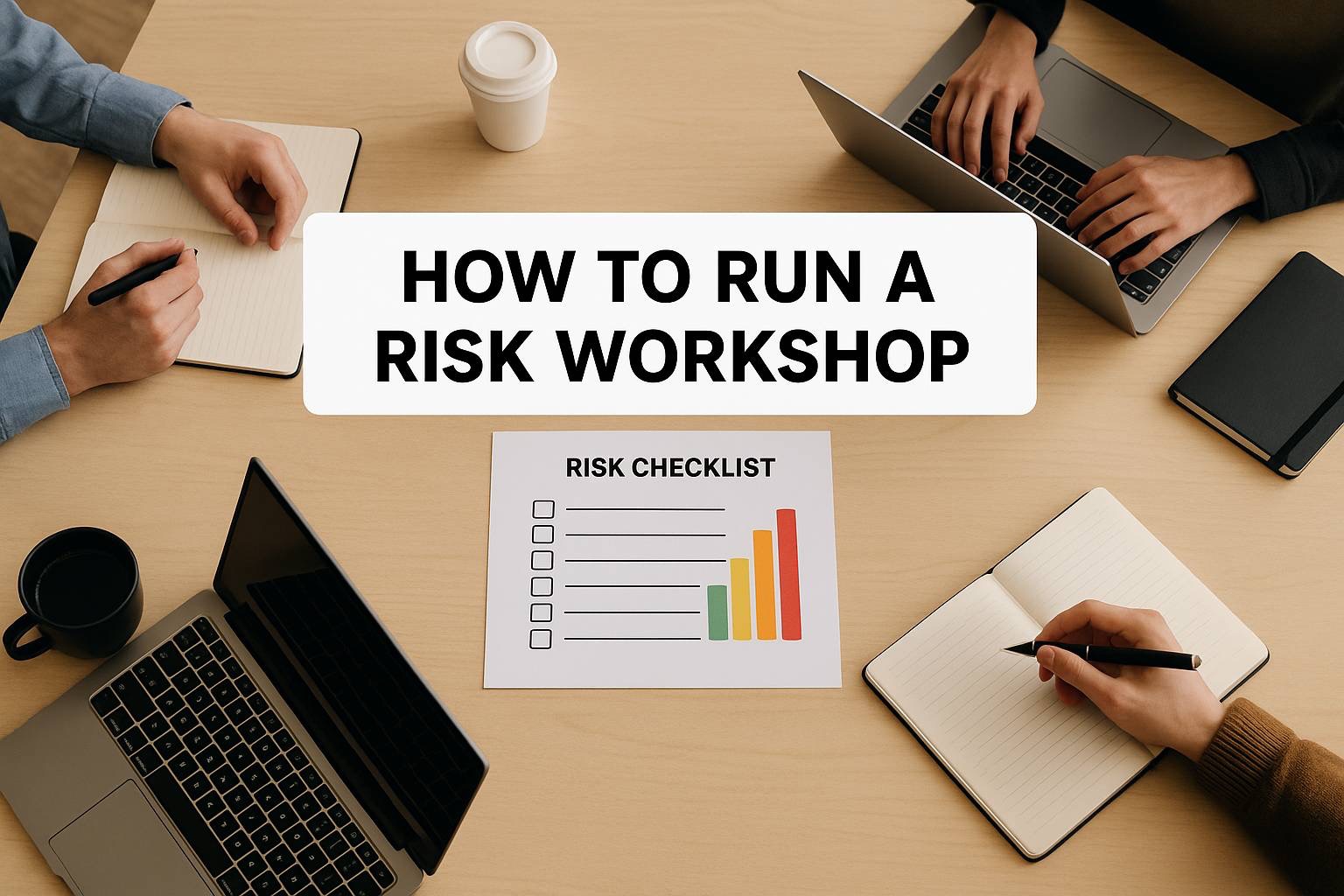
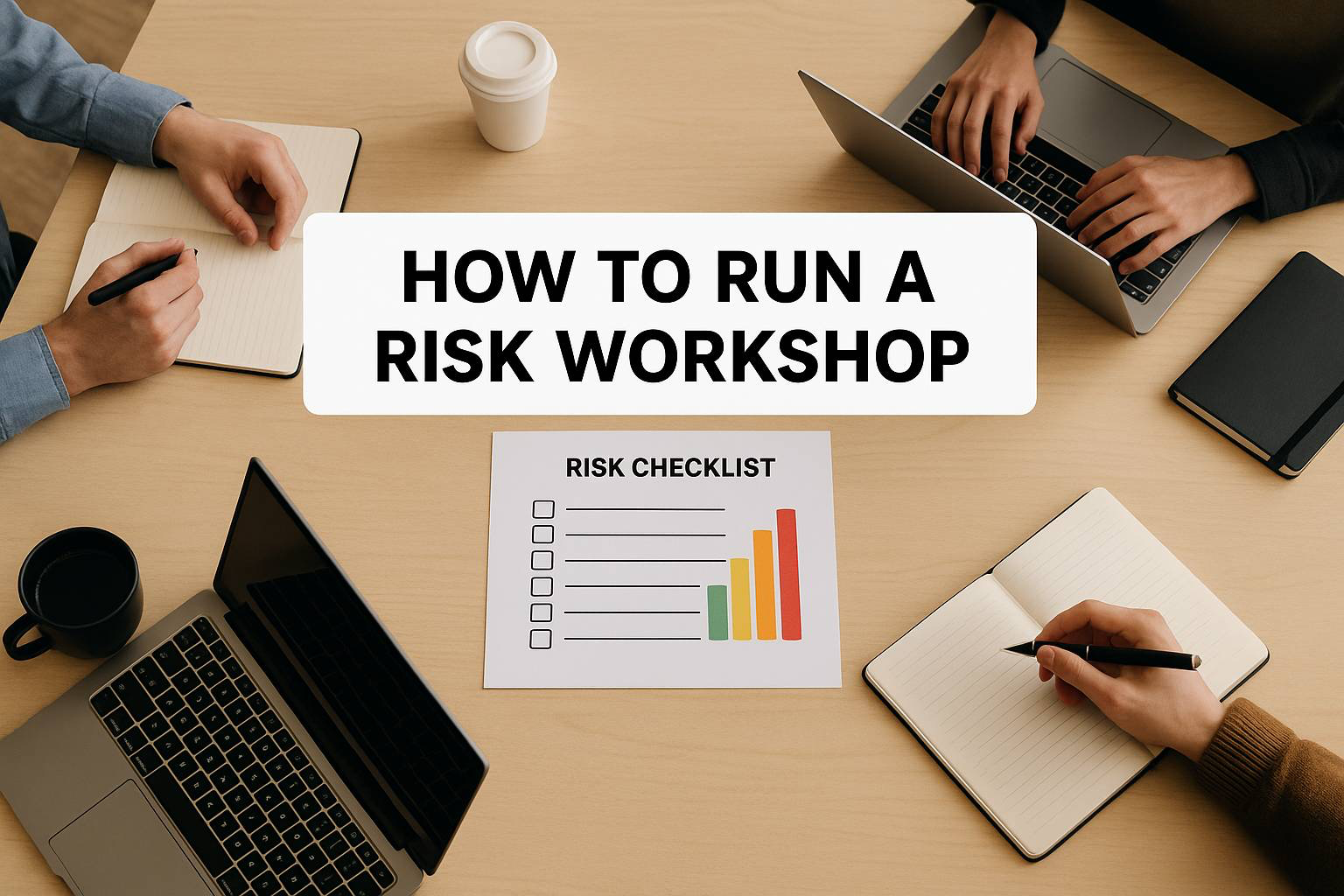
Join our expert-led course: How to Run a Risk Workshop
You’ll learn how to:
Facilitate group-based identification using PMI techniques
Engage the right stakeholders at the right time
Document risk entries that drive response planning
[Enroll now to receive bonus templates, checklists, and facilitation guides]
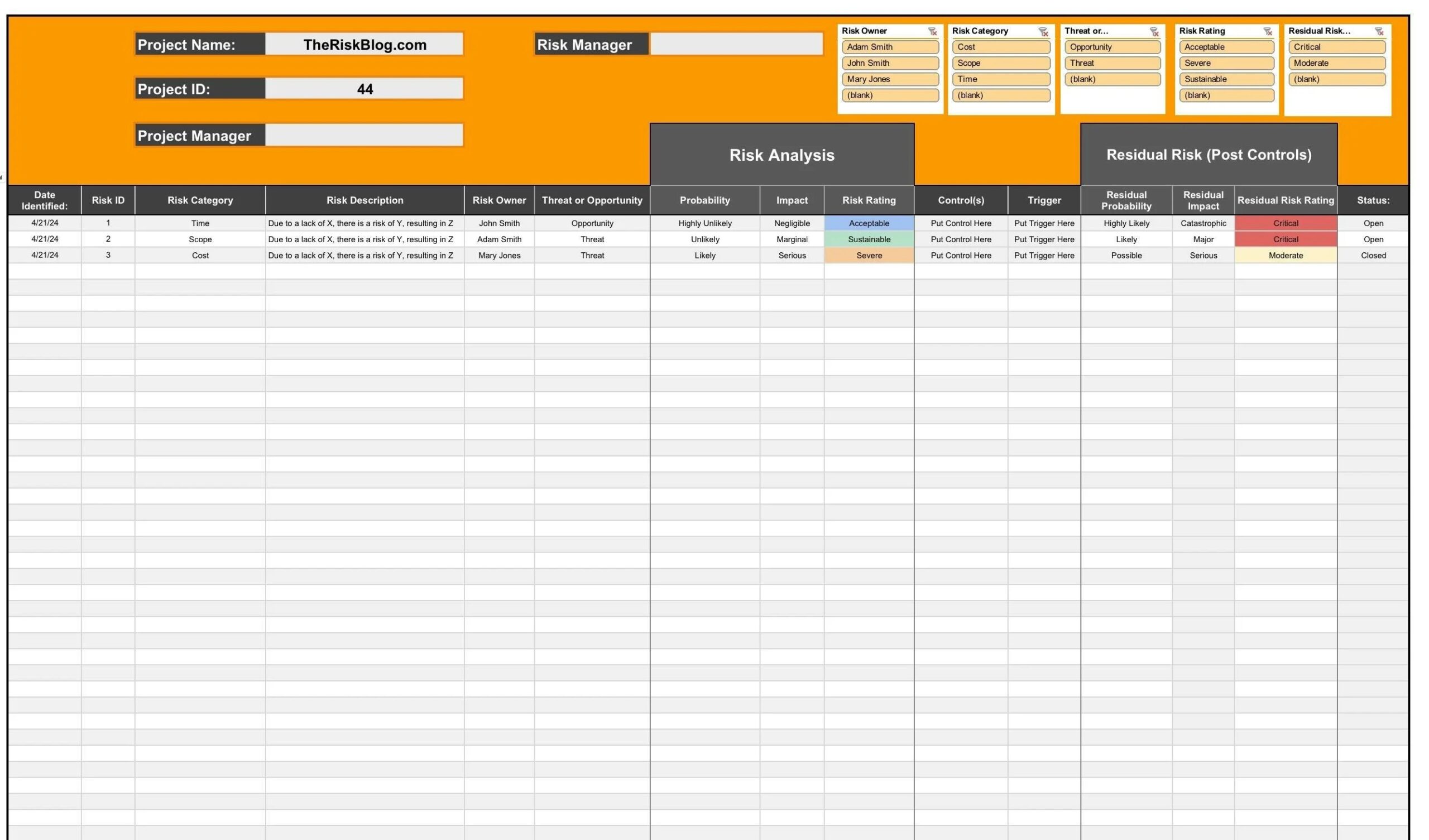
Where Do the Risks Go? Your Risk Register
Once identified, each risk should be documented clearly in your risk register. This is the central hub for managing uncertainty throughout the project.
This analysis was prepared by 44Risk PM LLC, specializing in PMI-RMP® and PMP® certification training with a focus on practical, real-world risk management.
Whether you’re just starting or deep into studying, the 44Risk PM community gives you access to free resources, structured guidance, and a place to ask real questions. No pressure. Just practical support.