
What Is a Monte Carlo Simulation: And Why Every Project Manager Needs to Understand It
Most PMs estimate schedules with one number. A Monte Carlo Simulation gives you
probabilities. Here’s how it works — with a free simulator to try it
yourself.
Risk Tolerance vs.Threshold Framework: Building Executive Credibility Through Risk Precision

Risk Tolerance and Threshold….. two terms that are wildly misunderstood in risk management. This article looks to simplify these concepts.
PMI-RMP vs PMP: A Decision Framework for Risk Management Professionals
Choosing between the PMI-RMP vs PMP is not a coin flip. This evidence-based four-gate framework helps determine where to start!
The Proactive Risk Management Framework: Moving Beyond Copy-Paste Project Planning
Learn the enterprise framework for proactive risk management. Eliminate copy-paste planning and implement systematic threat assessment for complex projects.
The Five-Phase Risk Workshop System
Risk workshops fail when they lack structure. Learn the five-phase framework used by PMI-RMP certified risk managers to identify unknown risks, align stakeholders, and build defensible risk registers.
Risk vs. Issue: The Language Framework That Defines Elite Project Risk Leadership
Discover why confusing risks with issues is one of the most costly errors in enterprise project management and the language framework that eliminates it
What Loki Teaches Us About Risk Response Strategies
Most PMs know one or two risk response strategies and that’s exactly why projects fail. Here’s what Marvel’s Loki teaches us about smarter risk management.
Risk Appetite vs Risk Tolerance vs Risk Threshold for PMP®
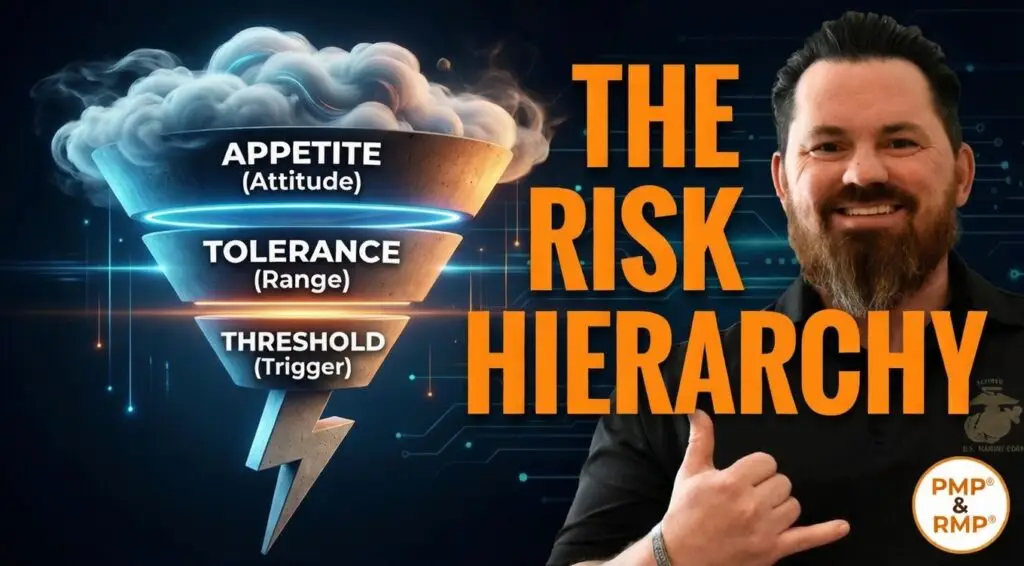
Master the difference between risk appetite, risk tolerance, and risk thresholds concepts for PMP® & PMI-RMP® certification and exam success.
PMI Exam Cognitive Biases: How to Outsmart the Psychological Traps That Fail Even Experienced PMs
Why Smart Project Managers Still Fail PMI Exams (And How to Fix It) I watched a friend take the PMP exam three times before he finally passed. He wasn’t unprepared. This guy managed multi-million dollar programs, led cross-functional teams, and could recite the PMBOK® Guide in his sleep. But every practice exam, he’d hover around […]
Is the PMI-RMP Worth It? 10 Questions Answered
Wondering if the PMI-RMP certification is worth the investment? Get straight answers to the 10 most common questions from someone who’s earned it and teaches it.
Why the PMI-RMP® Certification Is the Strategic Edge Project Managers Need in 2026
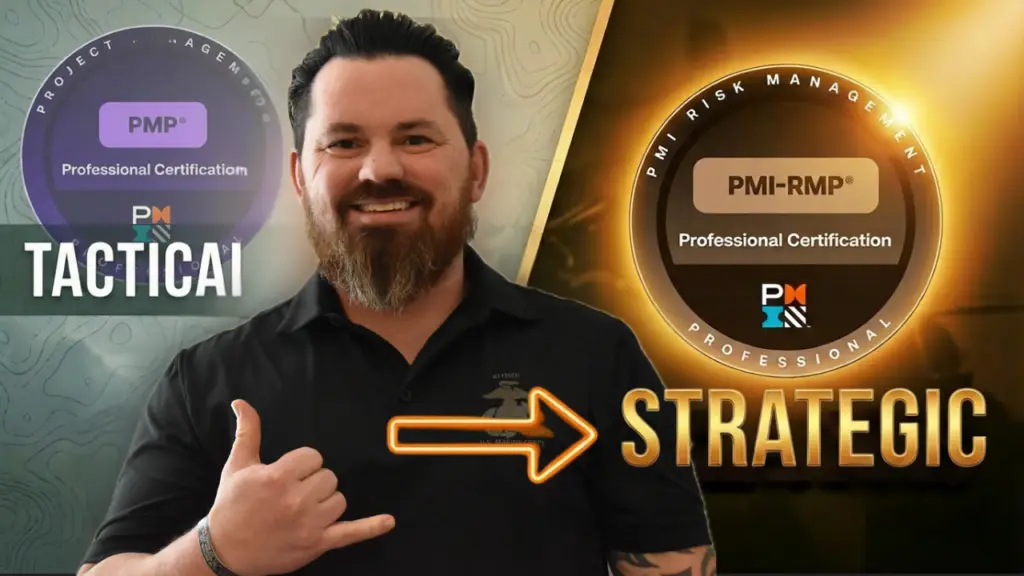
The PMP is no longer enough. Discover why the PMI-RMP® certification is the next-level move for project managers ready to lead with strategic risk intelligence.
Understanding the New Risk Management Domain in PMBOK® 8th Edition
The PMBOK® Guide has changed again, but this time, risk management isn’t an afterthought. It’s front and center.
What Are Residual and Secondary Risks in Project Management?
Learn the difference between residual and secondary risks in project management. Perfect for PMI-RMP® prep and real-world risk management. Includes examples, tips, and a free risk register template.
PMI-RMP Exam Content Outline (ECO) Explained
https://youtu.be/0QvQngpl-k8?sub_confirmation=1You’ve committed to earning your PMI Risk Management Professional (PMI-RMP) certification. You’ve reviewed the eligibility requirements, calculated your study timeline, and maybe even purchased prep materials. But here’s the critical question most candidates overlook: Are you studying what’s actually on the exam? Every year, thousands of prepared, competent project professionals fail the PMI-RMP exam—not because they lack risk […]
PMI-RMP Eligibility Requirements
Complete guide to PMI-RMP eligibility requirements: education, experience & contact hours. Learn if you qualify for the Risk Management Professional exam.
What Is the Stakeholder Engagement Assessment Matrix (SEAM)?
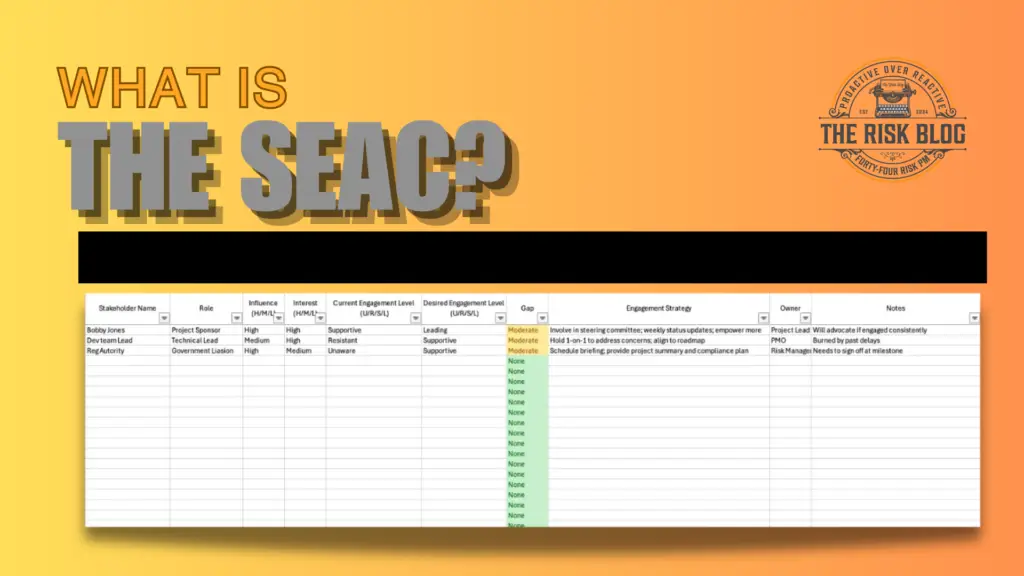
Are you using a Stakeholder Engagement Assessment Matrix (SEAM)? This simple document will save you hours of stress. Download today!
From Chaos to Clarity: How Running Risk Workshops Make Projects Easier to Manage
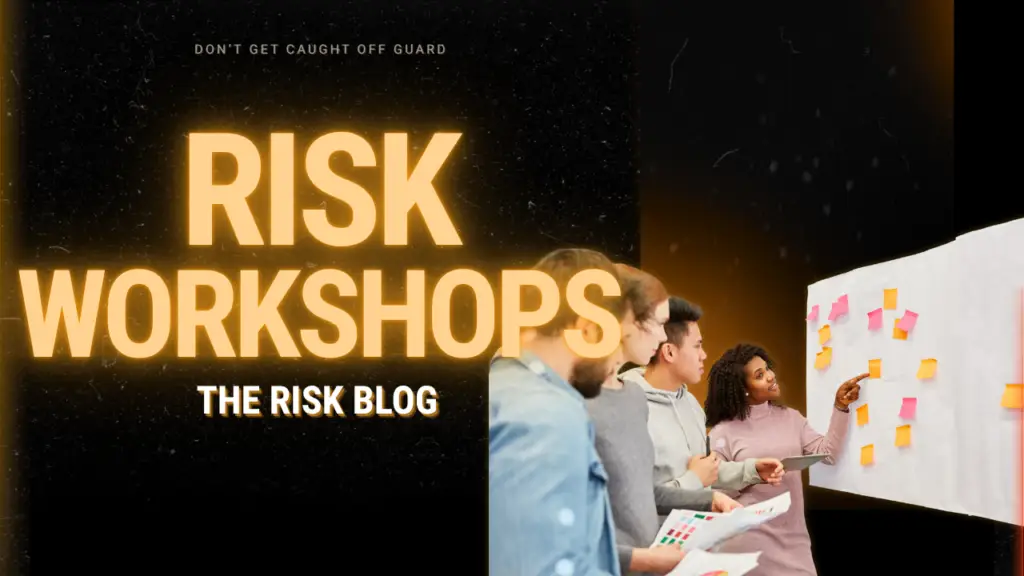
Risk Workshops are seldom used, but are a fantastic resource for project managers world wide. Stop skipping and start running risk workshops.
7 Proven Techniques to Identify Project Risks Like a Pro
This guide breaks down 7 proven, techniques to identify project risks effectively. These tools are aligned with the PMBOK® Guide and the PMI-RMP® Exam Content Outline. So, whether you’re studying for a new PMP® or PMI-RMP® certification or leading high-stakes initiatives, this article will sharpen your strategic edge.
How to Build an Effective Risk Register Template
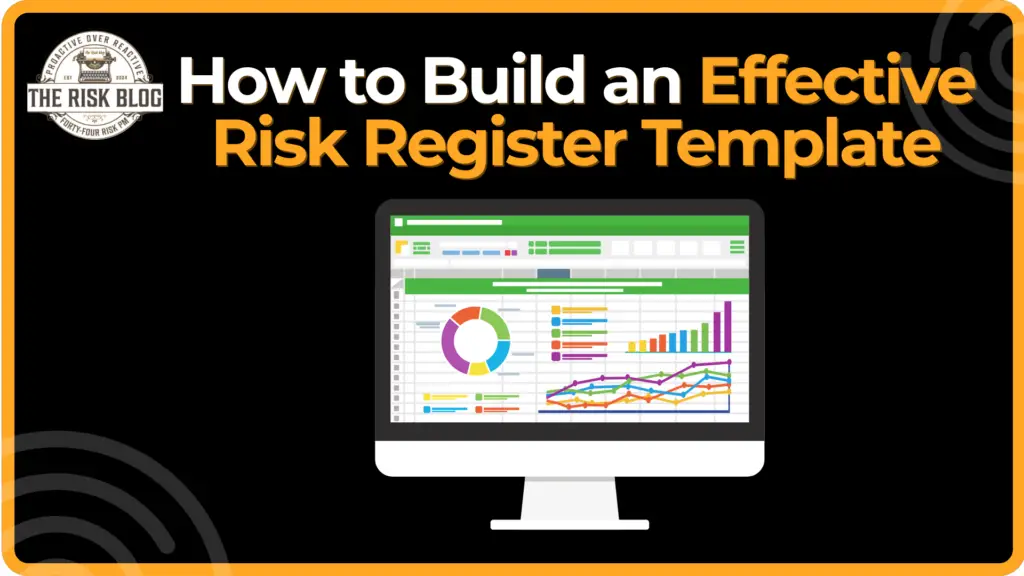
Create a risk register with our step-by-step guide. Stay ahead of project risks and boost stakeholder confidence.
Getting Iterative with Risk Identification in Traditional and Agile Projects
Most teams start strong with risk identification—then stop. So lets talk about getting iterative with risk management!
7 Beginner Steps to Master Risk Identification
Risk identification is more than just a checklist—it’s the foundation of every successful risk management plan. Whether you’re prepping for the PMI-RMP® exam or leading your first Risk Workshop, this step-by-step guide helps you identify and manage risks like a pro. Real-world tested and PMI-aligned, this is your go-to playbook for project risk success.
Project Risk Identification 101: Start Here, Get It Right
Welcome to your starting point for mastering project risk management. Whether you’re preparing for the PMP® or PMI-RMP® exam, or you’re managing a real project with real uncertainty, this is the place to begin.
When the Risk Register Is Performative: How to Spot the Signals
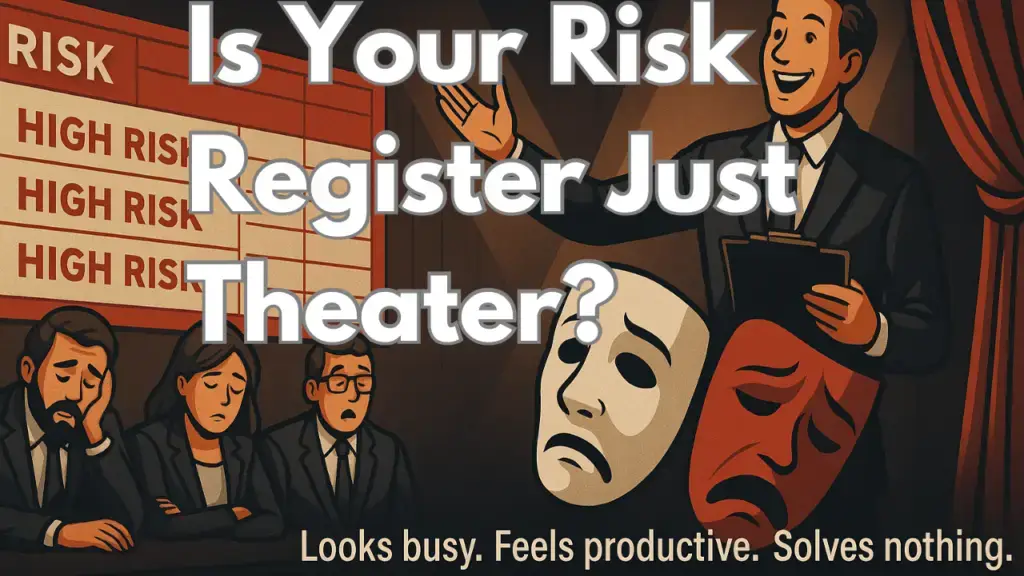
Risk management is supposed to keep projects safe. But after 15 years providing oversight, I can tell you too often the risk registers is performative.
Are You Ready to Level Up Your PM Career Growth? Start with Business Acumen
Looking to move beyond delivery into strategic leadership? Learn why business acumen is the career upgrade PMs need to level up — and how to start developing it now.
How to Master Risk Quantitative Analysis Techniques
Risk quantitative analysis uses numerical methods to evaluate project risks and make informed decisions.
This article, motivated from reading “The Failure of Risk Management” by Douglass Hubbard, explains key techniques for quantitative risk analysis like Monte Carlo simulations, expected monetary value, and sensitivity analysis. Learn how to collect accurate data, model risks, and assess financial impacts.
By mastering these methods, project managers can enhance efficiency and achieve better outcomes.
Risk Is Not a Spreadsheet — It’s a Mindset
What the Marines taught me about risk goes far beyond spreadsheets-it’s a mindset that shapes how project leaders respond to uncertainty. In this blog, I share lessons from Iraq and how those experiences transformed my approach to project management. Discover why embracing risk matters for every project leader aiming to lead with confidence and resilience.
What is Risk Appetite
Understand what is risk appetite in project management and how it impacts project success.
The 5 Silent Risk Management Plan Mistakes That Kill Your Project
Discover the 5 silent risk management plan mistakes that ruin your projects and how to fix them before they derail your next project.
My Take on PMI’s ‘Leading AI Transformation’
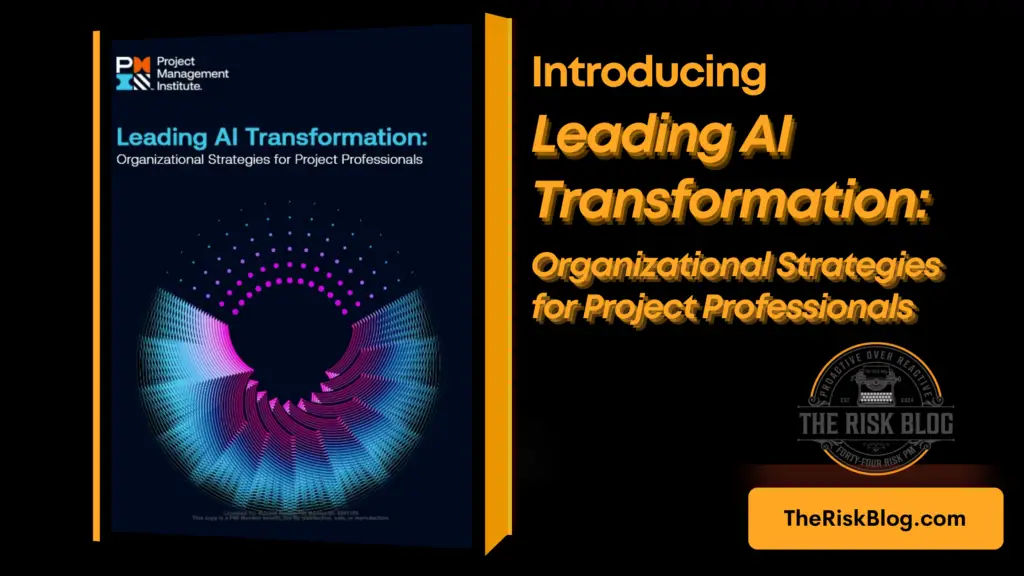
PMI released Leading AI Transformation: Organizational Strategies for Project Professionals – The guide you need to get your teams focused on AI
What is the Difference Between Issues and Risks and Why is it Important for Project Managers
It doesn’t matter if you are new to project management – or a seasoned expert, this concept can easily get mixed up.
And sometimes when you’re juggling multiple projects and tasks, the key differences between risks and issues can become unclear.
Next thing you know, your project team is treating every problem the same way, and your project management efforts aren’t as effective as they could be. Don’t worry, that’s what this article and I are here for.
Identifying Hidden Project Opportunities in High-Risk Projects
There is a small chance you will find a four-leaf clover this St. Patty’s day, but a better chance you can find an opportunity for your project!
How to Manage Risks for Your Projects
Being able to manage risks is key to any project’s success. Businesses need to identify, assess and mitigate risks or they will get hit with issues.
The Real Truths About Project Risk Management
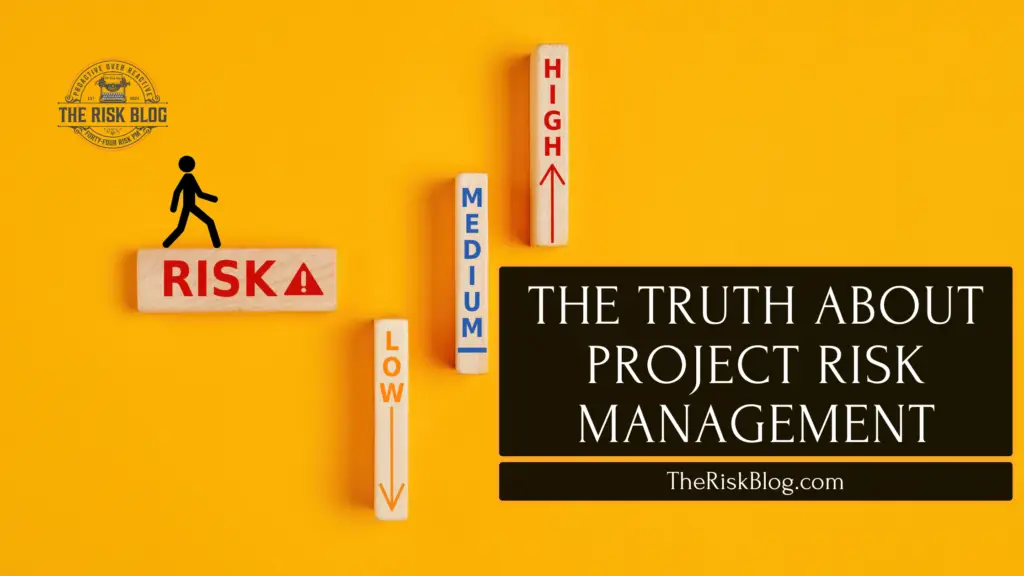
Discover why project risks aren’t your enemies but your strongest allies in success. Learn risk management strategies & overcome risk challenges.
Definition of Risk in Risk Management: Key Concepts for Effective Project Planning
Understanding the Definition of Risk in Risk Management is never the reason your project will succeed, but certainly be the reason it fails. Read more to learn how to risk plan effectively for your projects.
Cheers to Safety at Thanksgiving- Gobble Up These Risk Management Tips!
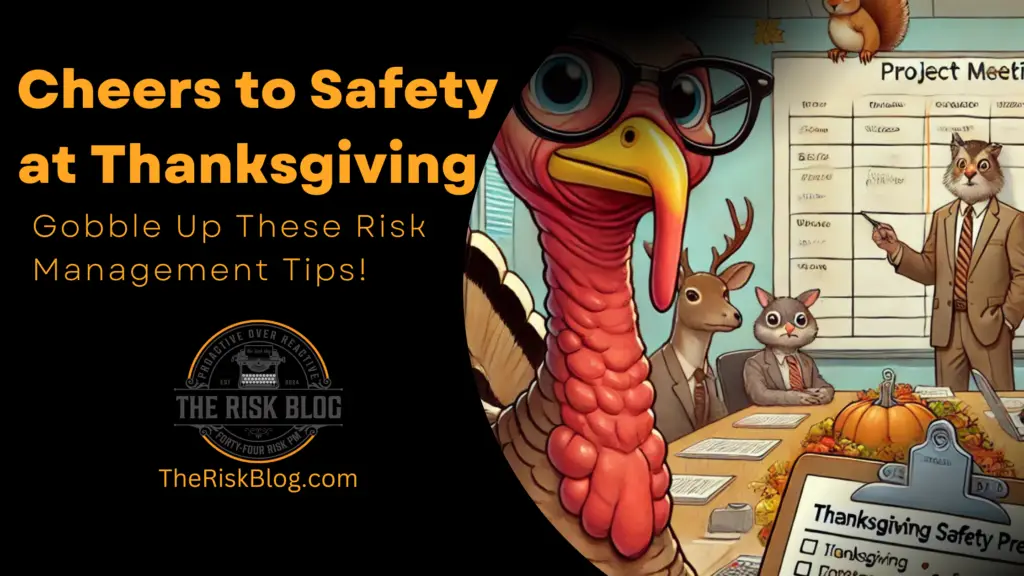
Safety at Thanksgiving means time for family, gratitude, and delicious food. Apply some Risk Management for a safe day!
The Probability-Impact Matrix: From Rookie to Risk Management Expert
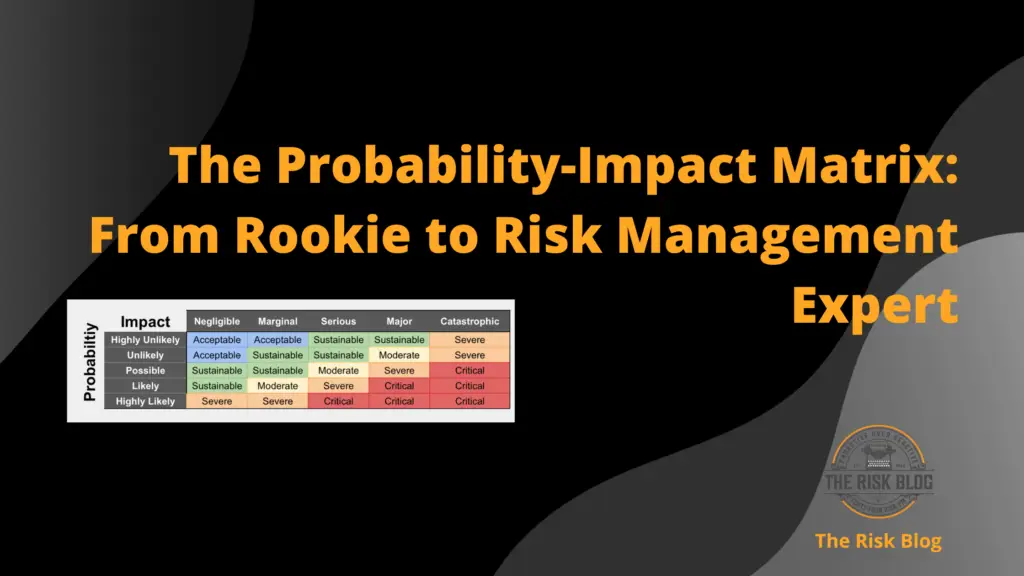
The Probability-Impact Matrix is a simple, yet crucial tool that we need to know during our risk management assessments.
Mastering RACI Charts in Project Management
Streamline your projects with RACI charts. This practical guide offers clear steps to define roles and enhance team collaboration.
Coaching as a Leader
Discover practical strategies to enhance your leadership through coaching as a Leader. Learn how to motivate and empower your team!
7 Practical Tips to Develop your Agile Mindset
Agile Mindset – Its development is crucial in today’s fast-paced business environment. And build this mindset goes beyond simply following agile methodologies
Why We Use a PMI Talent Triangle
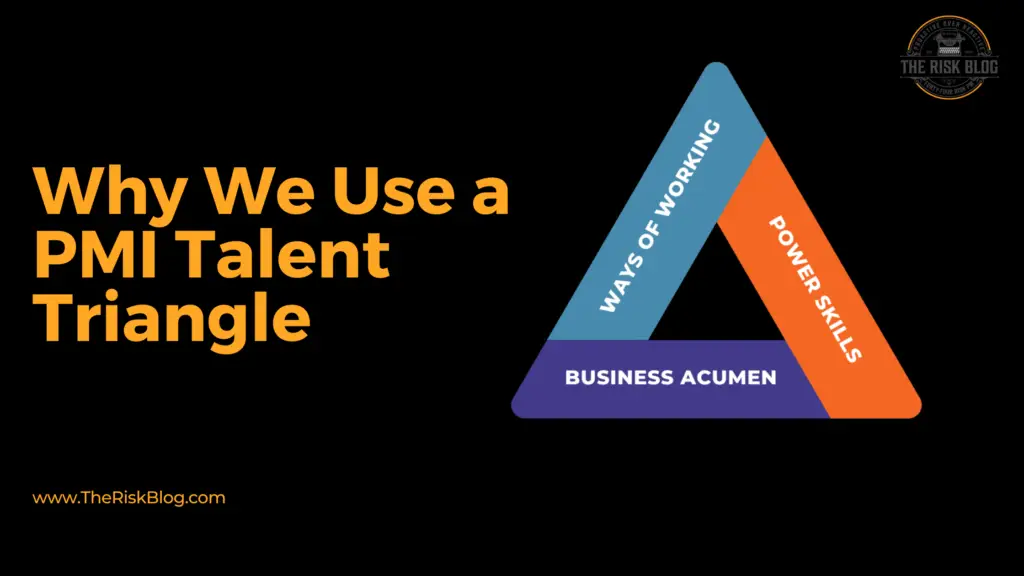
The PMI Talent Triangle is crucial for project management success. Learn how technical skills, leadership, and business acumen impact PM’s.
7 Essential Risk Controls for Mastering Risk Management
The PMBOK® Guide , defines a risk management process as the “systematic process of identifying, analyzing, and responding to project risks”. Risk Control fits into this definition in that it is the measures and strategies put into place to reduce risks throughout a project. It is the outcome of risk analysis where you assign a […]
5 Common Pitfalls in Project Planning and Execution
Avoid common pitfalls in project planning & execution with these practical tips for success. Learn how to align goals, manage risks, and improve communication.
Is Your Risk Register Falling Short? Discover Key Mistakes and Solutions
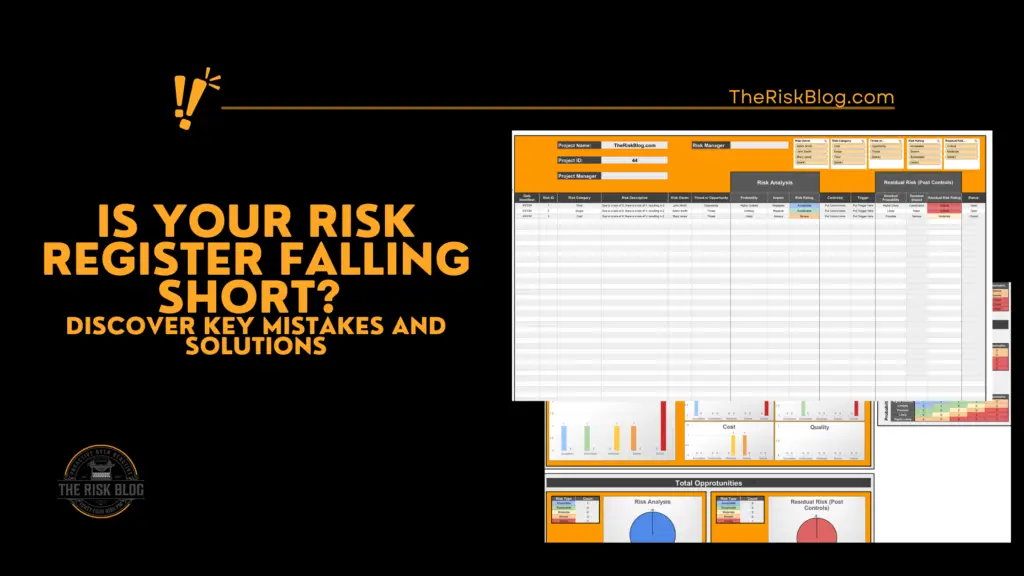
Discover why your risk register might be failing and learn key mistakes and solutions to improve your risk management plan.
The Risk Management Plan and Its Importance for Project Managers
A risk management plan is vital. It finds and reduces risks. Learn why it’s important and how to build one effectively in this step-by-step guide.
Battle Tested: Project Management Transferable Skills from Military Service (Part II)
Introduction to Part II This is part two of a series on the skills veterans bring to project management. If you missed Part 1, go HERE and check it out. We explore how discipline, time management, leadership, and risk management make veterans. They are great project managers. In this second part, we will discuss more […]
Mastering Risk Strategies: Key Approaches for Effective Project Management
Mastering these risk management strategies allows you to proactively address potential issues, ensuring your project stays on track. Learn and apply them in your projects today!
Battle Tested: Project Management Transferable Skills from Military Service (Part I)
Today’s blog is Part I of III on the invaluable transferable skills military veterans bring to project management. This article is focused on industry professionals but is also useful for service members transitioning to civilian careers.
Introducing PMI’s New Practice Guide: The Risk Management Practice Guide
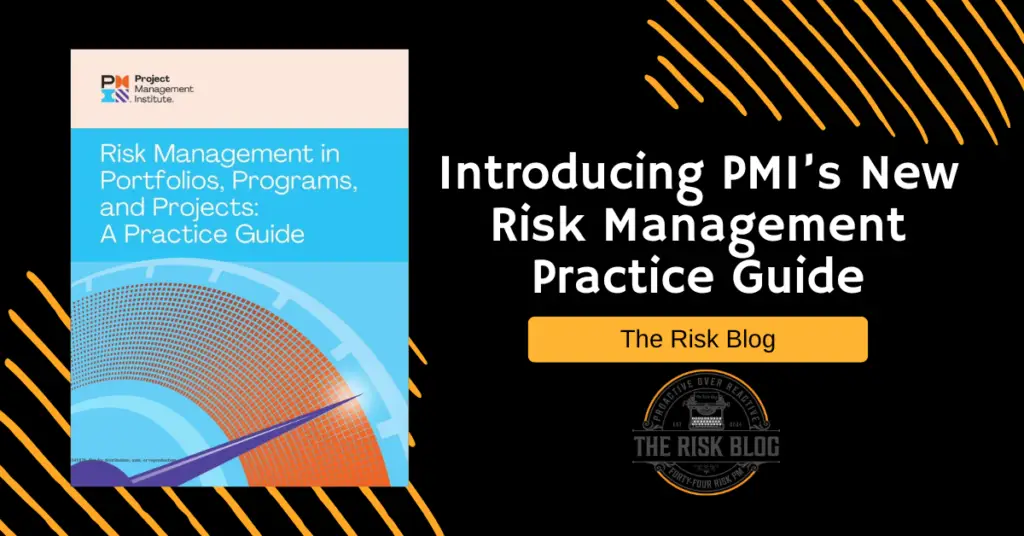
PMI has just released its latest Risk Management Practice Guide, aligning with PMBOK – 7th Edition. This comprehensive guide aims to make risk management more accessible and practical for professionals at all levels. Discover the essentials, benefits, and why it’s a must-have resource for project managers.
Utilizing A ‘Combat Pause’ to Harness Focus Time: A Project Management Hack
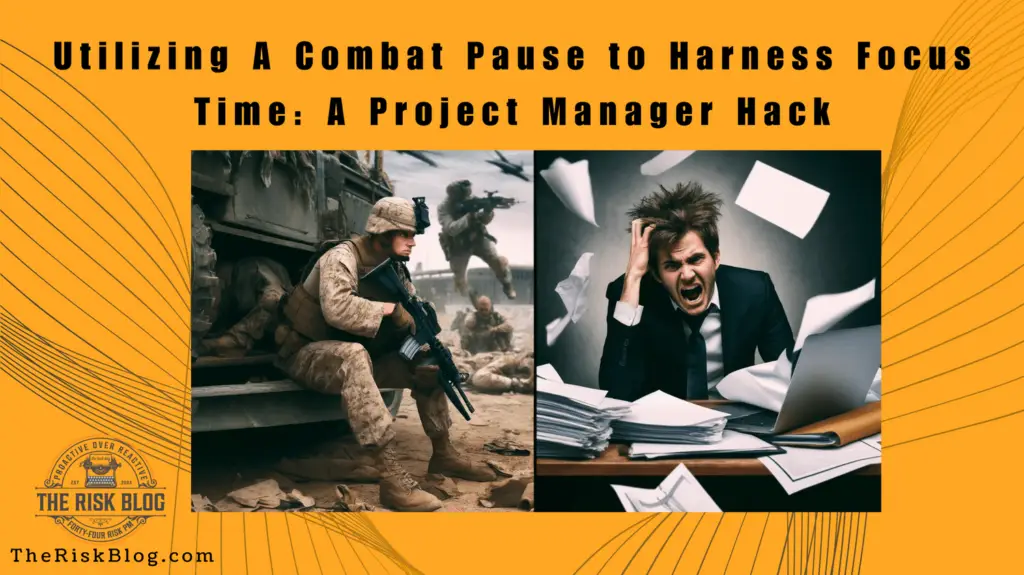
Dating back to Alexander the Great, the military has used a combat pause to stop, rest, and get back into action. Project Managers could learn from this tactic when things get rough during their projects.
From Battlefield to Boardroom: Applying the Theories of Clausewitz in Project Risk Management
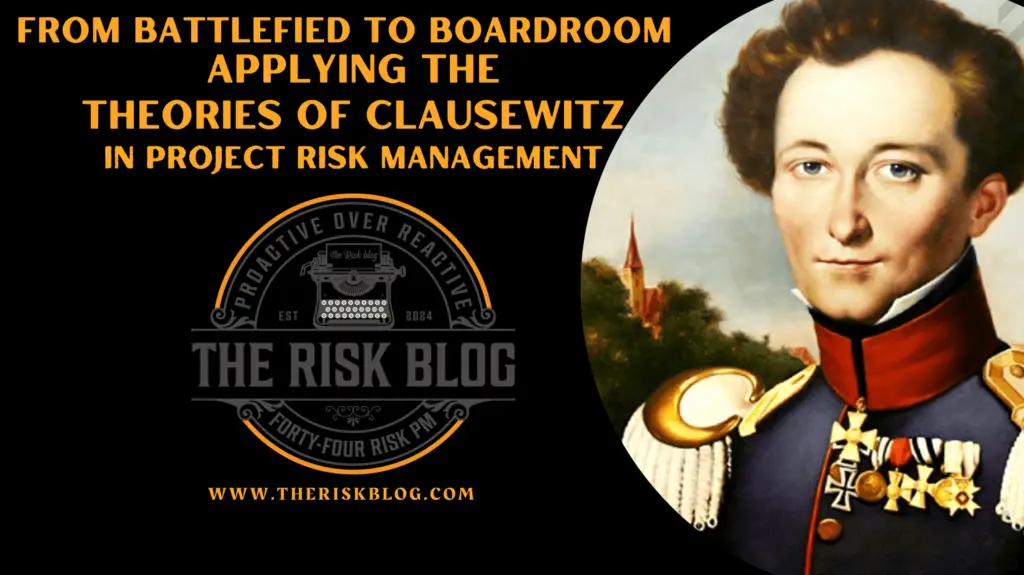
Clausewitz teaching align directly to Project Risk Management – making Clausewitz a Risk Manager and meaning Risk Managers should take some lessons learned from this notable strategist.
Mastering the Art of Risk: Essential Risk Management Skills
Risk Management Skills in Today’s Projects Mastering the art of risk is not an overnight “ah-ha” moment. Risk management skills build over time through skill acquisition. With every new event, concept, or lesson learned, you sharpen your judgment while bolstering your risk management practices. By continuing to study risk management topics, as a risk manager, […]
Stop Saying Risk and Opportunity: Opportunities are Risks
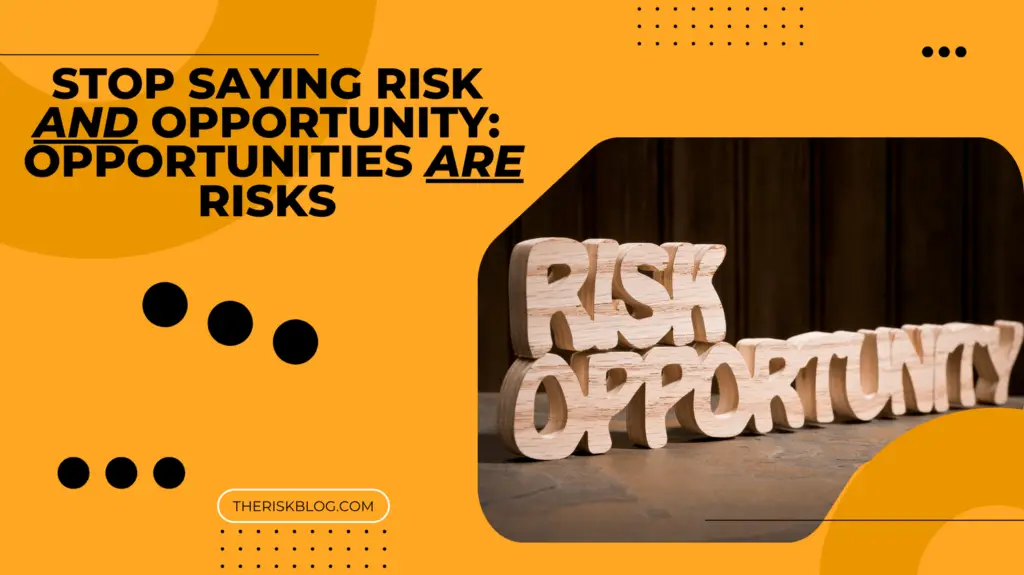
Risks consists of both Threats and Opportunities – this article is a quick explanation of risks and how risk and opportunities is not a correct statement in project management.
A Comprehensive Guide to Tuckman’s Model: Understanding the Stages of Group Development
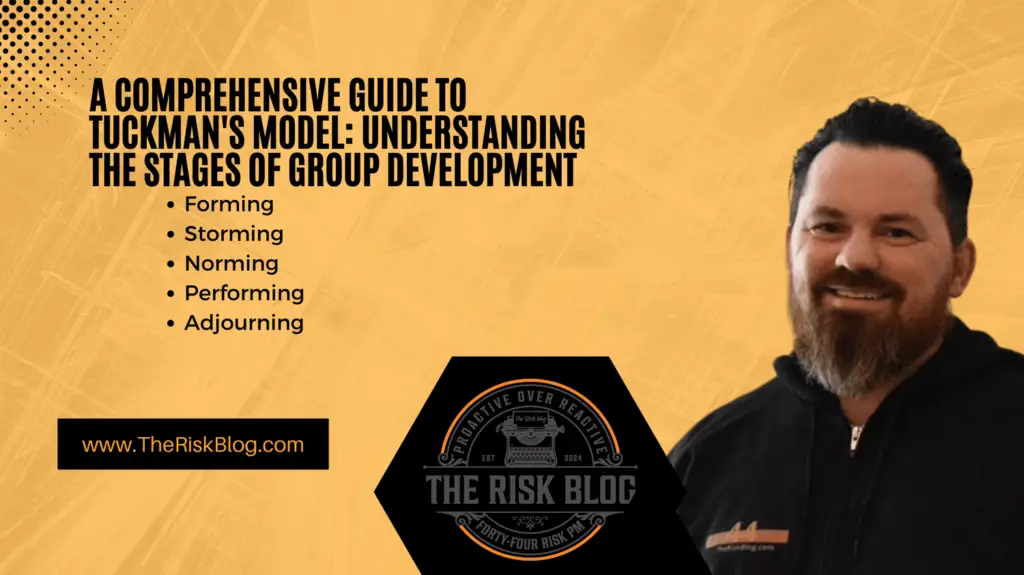
As a project manager, you are going to work on a team – so, it is useful to know and understand team dynamics. Tuckman’s Model is proven model to understanding group dynamics.
Bust Out That Risk Matrix and Stop Skipping Qualitative Risk Analysis!
Once you identify your risks, what do you do? Discover how qualitative risk analysis and the risk matrix can empower you to navigate project uncertainties with confidence. Don’t miss out on essential insights to elevate your project management game!
Project Managers and Project Risk Managers: A Perfect Match for a Projects Success
To any project manager, project risk management is one of the most important aspects of project planning. You cannot start a project without fully understanding the risk involved in achieving your outcome.
If you could have a problem with your schedule – Risk
If you could have a problem with your budget – Risk
If you find a way to fast-track without spending additional funds – still a [positive] Risk
No other element of the project lifecycle, like risk, can lead to a project going over budget, falling behind schedule, or flat-out failing.
To understand the relationship between the project manager and the project risk manager, we must first go over project management and risk management in detail.
The Project Risk Managers Role in Project Management
Risk managers are critical to project execution but are also the key to ensuring monitoring and control of project risks and follow-on reporting. Companies rely on project risk managers to ensure the risk management framework is employed properly, lowering the chance of a project failing due to unforeseen risks.
The Proactive 5-Step Process to Effectively Manage Risks
When you manage risks, you manage the life of your project. One of the keys to success is for project managers to manage project management processes. The risk management process is an integral part of that success.