Risk Workshops are seldom used, but are a fantastic resource for project managers world wide. Stop skipping and start running risk workshops.
The goal of every project manager is to deliver outcomes that matter. Running Risk Workshops ensure that happens!
With the common goals of finishing the project on time, on budget, and within scope. But with rapid changes, shifting requirements, and increasing stakeholder pressure, it can feel like you’re managing chaos, not a project.
All too often, this chaos stems not from what’s known, but from what’s hidden: risks that haven’t been surfaced, discussed, or understood.
Maybe you’ve been filling out risk registers after the fact and wondering if there’s a better way to get ahead of threats before they hit.
It’s frustrating.
Here’s the good news: you can reclaim clarity and control by running risk workshops—a structured, high-value conversation that unlocks what your team really knows (and what you didn’t know you didn’t know). In this guide, I’ll walk you through what a risk workshop is, the four types of risks you need to address, and how to lead workshops that move your project from reactive firefighting to strategic foresight.
Why Should You Care About Running Risk Workshops?
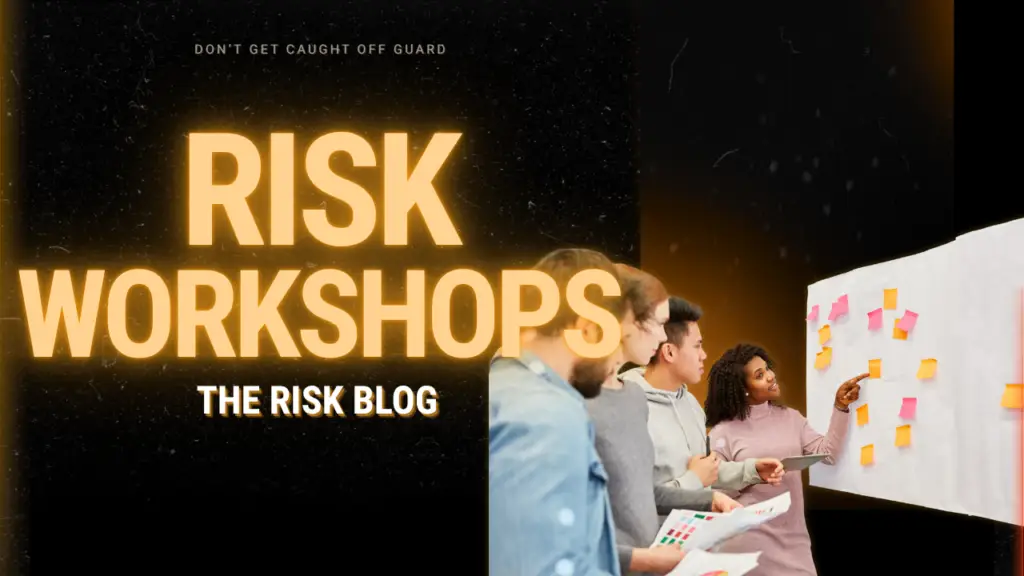
A risk workshop is more than just another meeting on your calendar. It’s a structured, collaborative session where your team comes together to identify, discuss, and plan for potential project roadblocks before they become expensive problems.
Think of it as your project’s early warning system.
These workshop aim to:
Bring together cross-functional insights
Identify threats and opportunities early
Break the cycle of last-minute surprises
These workshops are not just a good practice—they’re essential tools for uncovering what’s otherwise invisible in your risk plan. The PMI-RMP® exam and real-world PMO practices both recognize them as a key technique in domains like Risk Process Facilitation and Stakeholder Engagement.
Why Are Risk Workshops So Powerful?
Most teams “manage risk” by checking boxes.
They copy risks from past projects.
Assign the PM as the owner for everything.
Skip collaborative input.
The result? Risk becomes documentation, not dialogue—and that’s when projects fail silently.
According to PMI’s Pulse of the Profession® 2025, the difference between tactical project managers and strategic value creators is their ability to:
Navigate uncertainty
Align with business strategy
Engage stakeholders with foresight
A true risk workshop puts these skills into action.
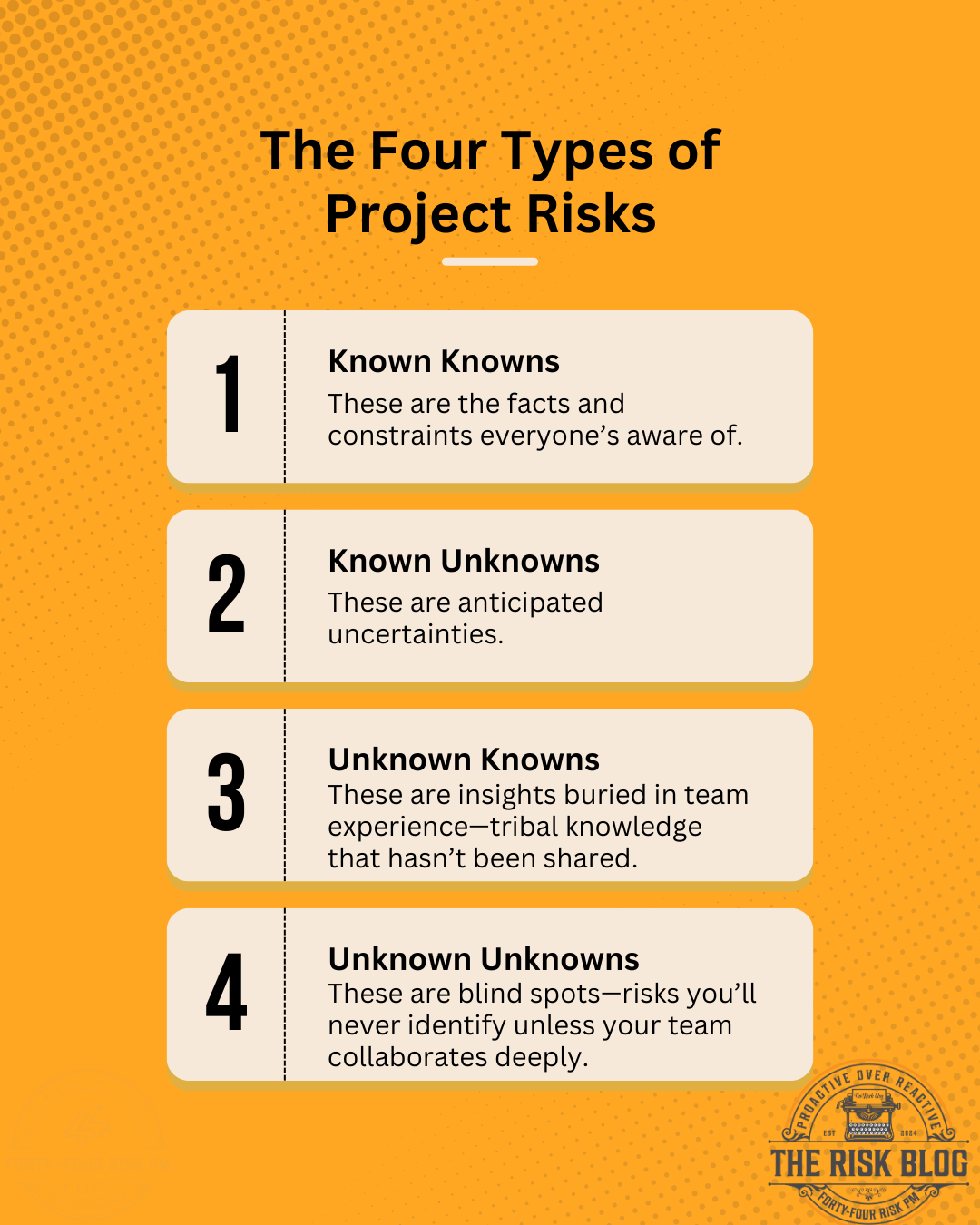
Four Types of Risks You’re Dealing With (And May Not Even Know It)
Understanding the types of risk you’re working with is the first step toward running a high-impact workshop:
1. Known Knowns
These are the facts and constraints everyone’s aware of.
Example: You have a 6-month timeline and a $500K cap.
Why it matters: These can be planned for using standard tools like the risk register and risk planning meetings.
2. Known Unknowns
These are anticipated uncertainties.
Example: Will that vendor meet their milestones?
Why it matters: These are where proactive planning and contingency reserves make a difference.
3. Unknown Knowns
These are insights buried in team experience—tribal knowledge that hasn’t been shared.
Example: A stakeholder knows about a past permitting delay but no one asked them.
Why it matters: A good facilitator draws these out.
4. Unknown Unknowns
These are blind spots—risks you’ll never identify unless your team collaborates deeply.
Example: A tech lead casually mentions an integration risk no one had considered.
Why it matters: These are the ones that derail entire initiatives—and workshops are your best shot at surfacing them early.
What Happens Without a Workshop?
Without structured facilitation:
Risks are vague (“something might delay us…”)
Ownership is vague (“the PM will handle it…”)
Opportunities are missed (because the team wasn’t engaged)
🛑 Risk becomes a box to check instead of a conversation to lead.
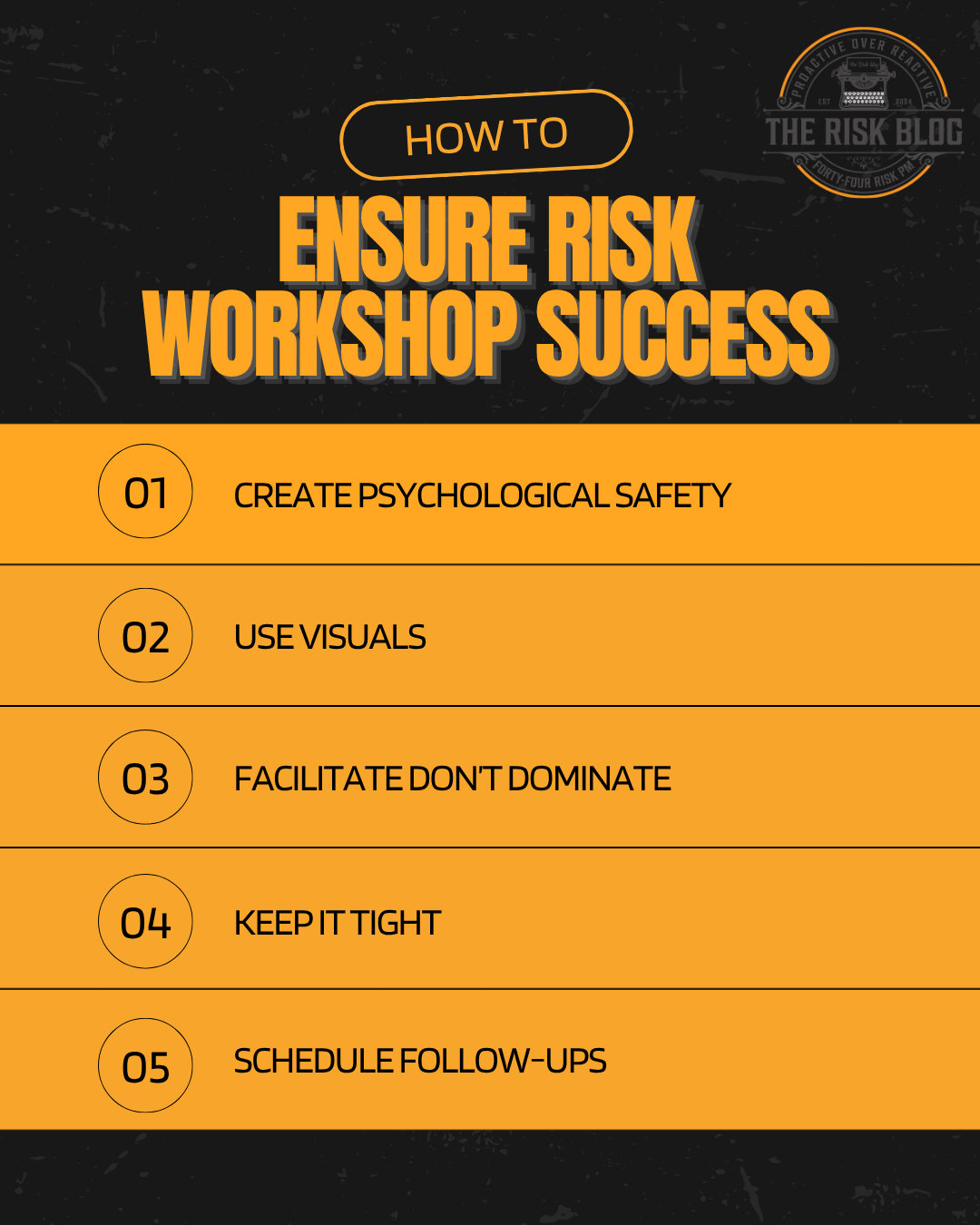
How to Run a Risk Workshop:
Clarify the Scope: Set objectives. Define boundaries. Are we assessing phase-level risks or the full program?
Use Proven Tools: Risk Breakdown Structures (RBS), checklists, and facilitation prompts are your allies.
Invite the Right People: Bring in team leads, SMEs, stakeholders—not just PMs and sponsors.
Structure the Conversation: Use cause–event–effect formats to capture risk statements clearly (great for exams and real-life clarity).
Assign Real Ownership: No more “PM owns everything.” Match risks to the functional leads who can act.
Document with Precision: Use a risk register template that reflects PMI best practices: probability, impact, response, and owner.
Follow Up with Accountability: A risk without follow-through is just a note. Track, monitor, and escalate as needed.
This analysis was prepared by 44Risk PM LLC, specializing in PMI-RMP® and PMP® certification training with a focus on practical, real-world risk management.
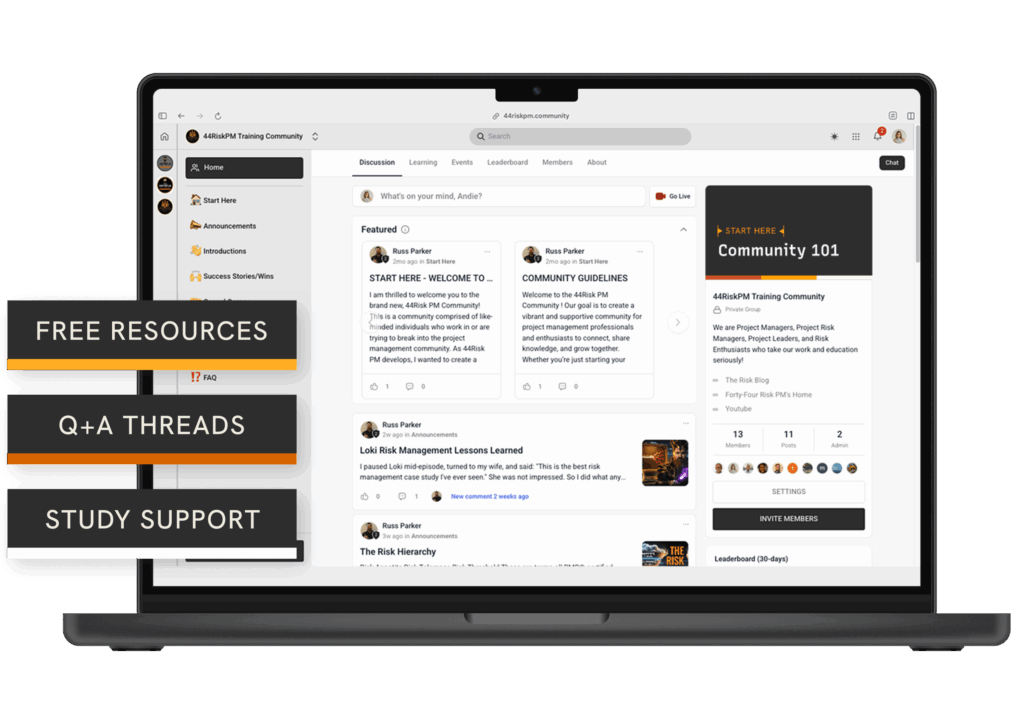
Whether you’re just starting or deep into studying, the 44Risk PM community gives you access to free resources, structured guidance, and a place to ask real questions. No pressure. Just practical support.