PMI’s 2025 Pulse report highlights business acumen as the top differentiator in project success. Discover why most PMs are missing this crucial skill — and how to close the gap.
You know the stats: only a fraction of projects truly succeed.
Despite certifications, frameworks, and best practices, far too many PMs still wonder:
“We hit our milestones… so why does it still feel like we failed?”
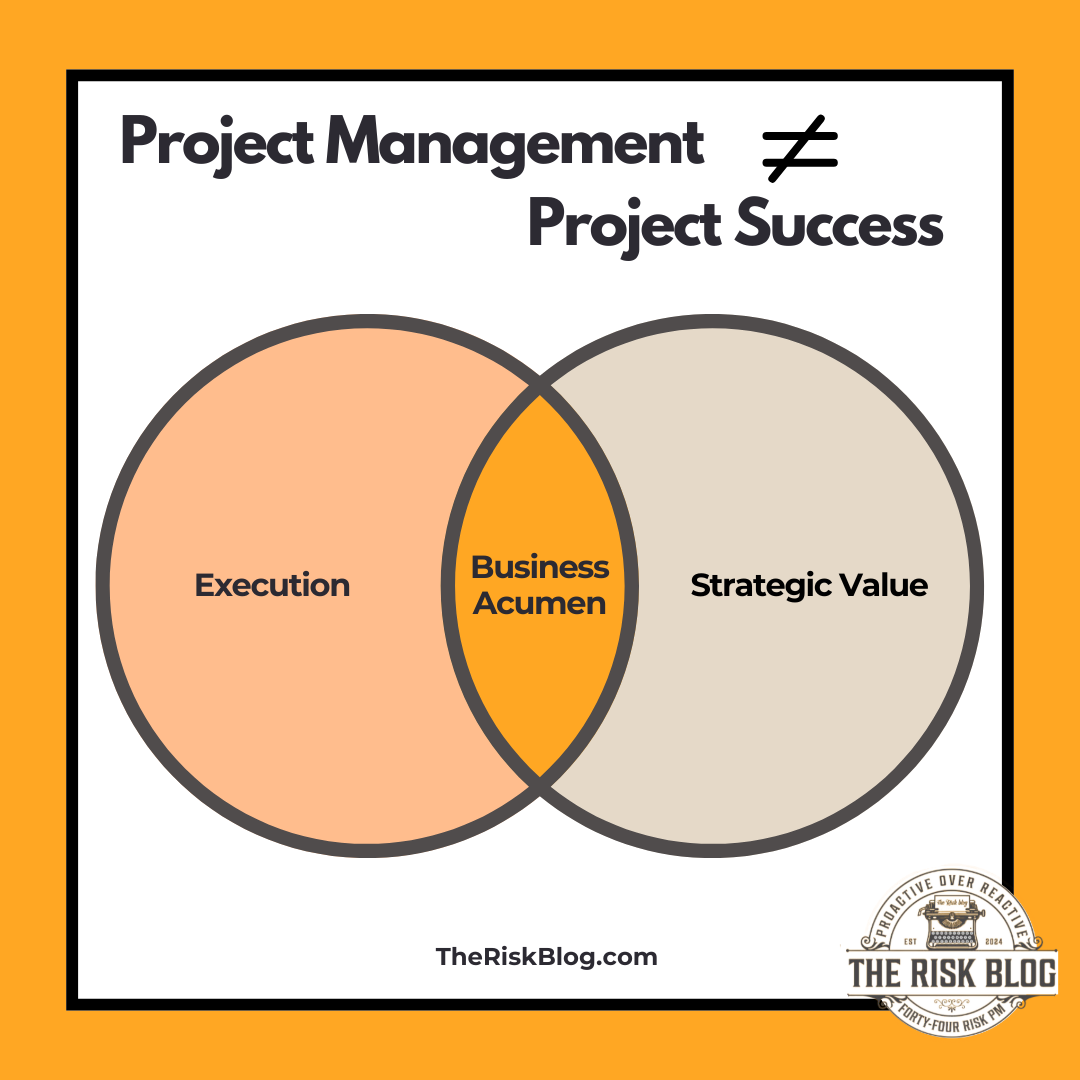
Here’s why project success today demands more than execution, and how business acumen bridges the gap between delivery and real value.
What Is Business Acumen in PM — Really?
At its core, business acumen is the ability to understand how a project fits into the larger enterprise — and to make decisions that drive strategic outcomes, not just check boxes.
According to PMI, this includes:
Understanding organizational goals
Financial acumen
Stakeholder engagement
Risk anticipation and mitigation
Cross-functional thinking
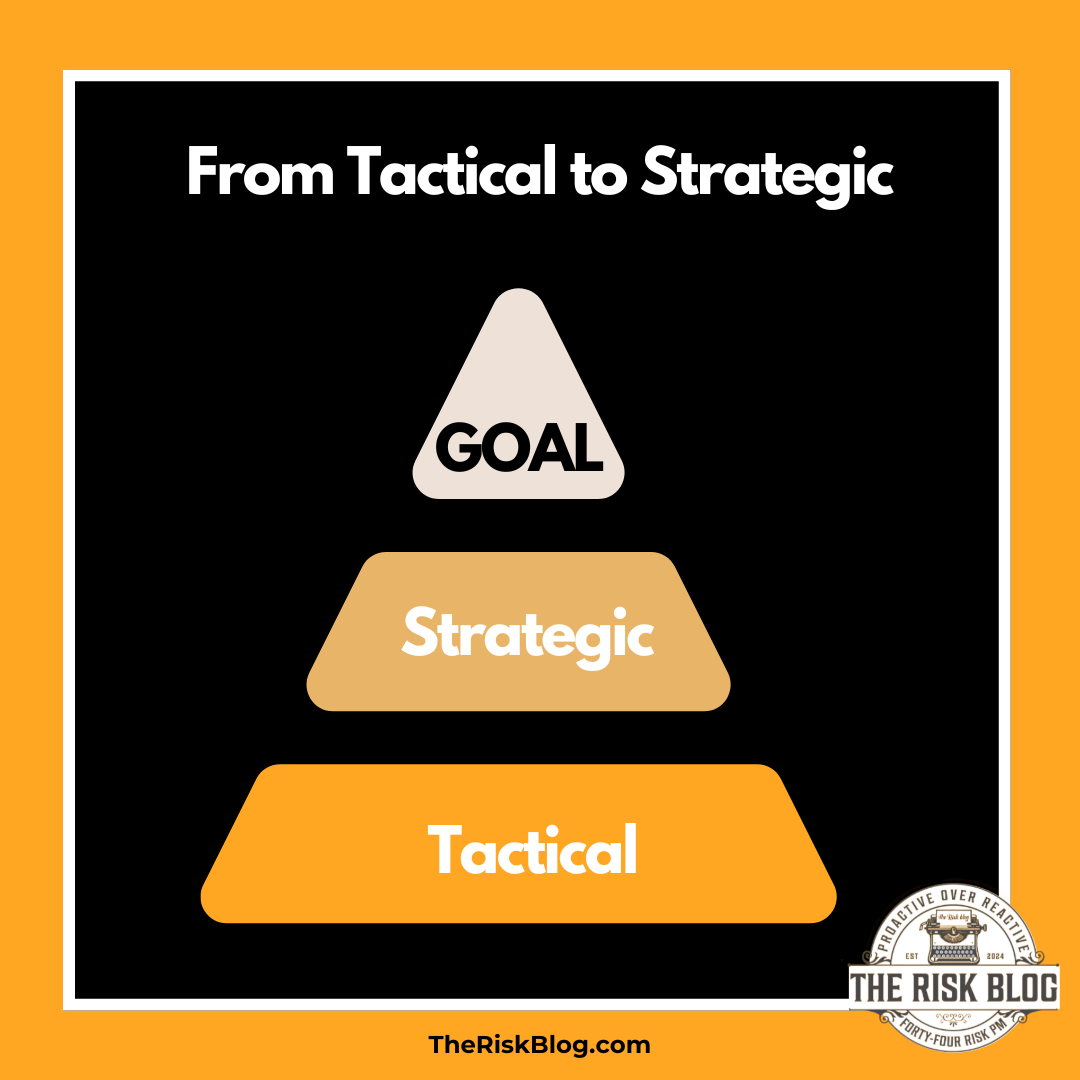
“Business acumen transforms project professionals from tactical troubleshooters to strategic value creators.” — PMI 2025 Pulse of the Professional®
It is seeing the bigger picture. What is your purpose in the organization and what VALUE are you bringing each and every day. Our focus as project managers needs to go beyond just writing status reports and managing the schedule, it needs to be on understanding the strategic impact of our work.
Why You Should Care about Business Acumen in Project Management
Projects don’t exist in a vacuum.
They serve business goals — and when PMs fail to connect the dots, projects under-deliver, even if they finish “successfully.” Business acumen in project management goes beyond just finishing on time and on budget, it means finishing with the work needed to drive the business forward.
PMI’s 2025 Pulse of the Profession® report revealed:
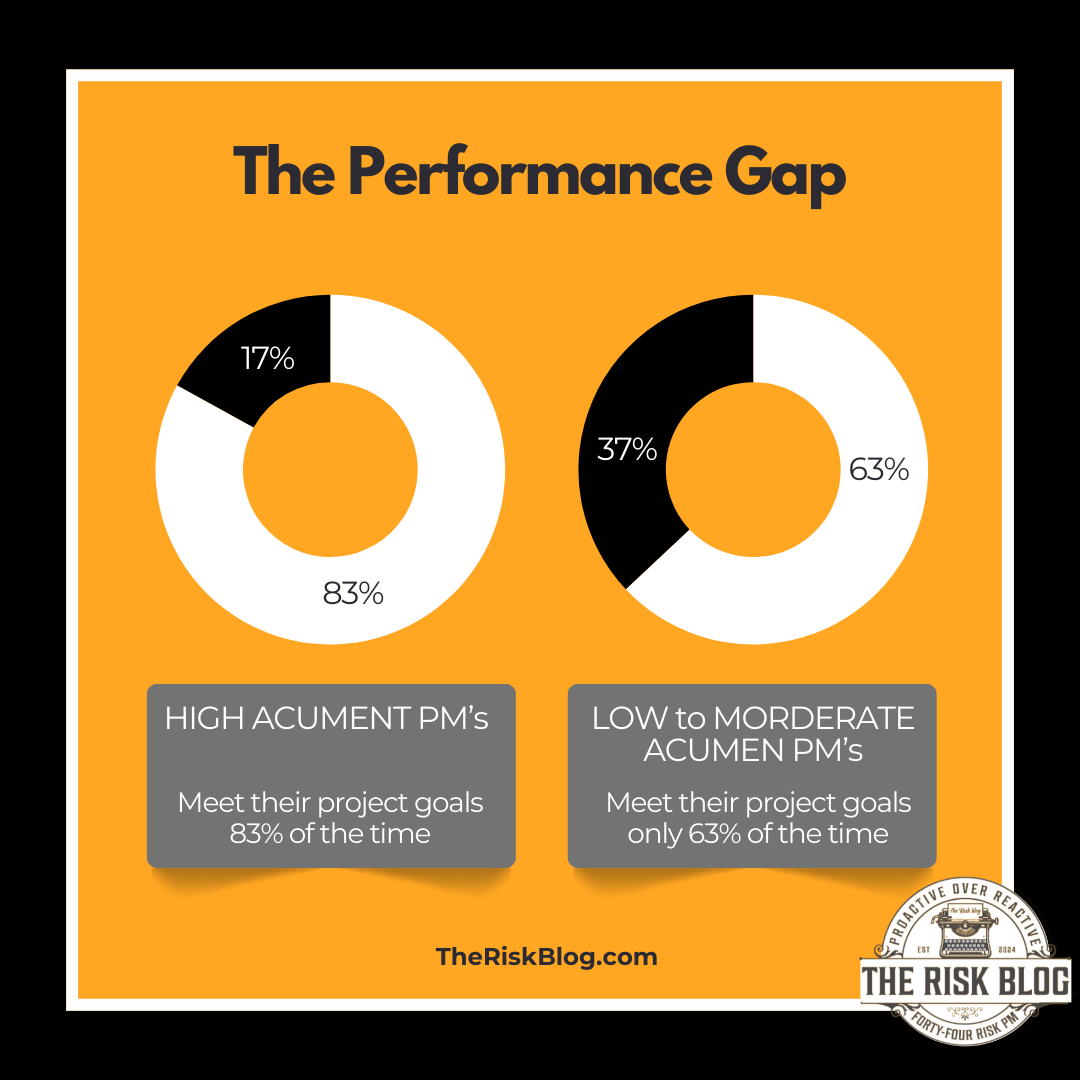
Only 18% of PMs exhibit high business acumen
Those with it outperform peers on all success metrics
They experience less failure, and measure more value
If you’ve ever seen a “completed” project get shelved six months later… this is why. There is nothing worse than working hard for months and sometimes years, just to see your work go down the drain because it didn’t connect to the organizations strategic picture.
We cannot just assume that our executive stakeholders are going to keep us on track. Sometimes, they have their own agenda’s. It is on us to be the voice of reason, the unbiased person in the room that asks the questions like “How does this meet our 5 year goal for the organization”.
You should care since it is your name that gets attached to the project, especially if things go wrong. So, stand up for your work, stand up for your project, and ensure it brings value tot he organization in one way or another!
The Real-World Impact of Business Acumen in Project Management
Here’s what business acumen helps PMs do better:
Anticipate misalignments early
Speak confidently to executive priorities
Influence decision-making beyond the project team
Pivot during delivery without losing the plot
In short: It’s the skill that helps PMs become indispensable.
With new technology, we fear that PM roles might get replaced. But, when we but business acumen into our project management methodologies and efforts, we create opportunities for growth. Growth for both our organizations and ourselves!
How to Start Closing the Gap
Here are 3 high-impact ways to start building business acumen now:
Get business curious.
Read your organization’s quarterly reports. Ask questions about ROI. Learn what leadership values.
Reframe your updates.
Shift from “we’re 80% complete” to “we’ve delivered 3/4 of the strategic value this initiative set out to achieve.”
Learn by doing.
Join cross-functional initiatives. Ask for post-project business impact reviews. Bring stakeholders into conversations sooner.
Business acumen in project management doesn’t just happen. It takes grit and it takes a plan. Which, we as PM’s are good at. Develop a personal plan on how you are going to close the gap between where you are (managing schedules, taking meeting minutes) and where you need to be (understanding the big picture).
Conclusion
Business acumen isn’t a soft skill. It’s a strategic accelerator.
And right now, most project professionals aren’t trained to use it — which is why so many projects still miss the mark.
If you’re serious about elevating your role and delivering real project success, start putting a focus on developing your Business Acumen! This is the skill that changes everything.
Ready to start thinking like a value-driven PM?
Download our free guide: The Business Acumen Builder for PMs — a 2-page skills map and quick-start checklist to help you close the gap and lead with confidence.
This analysis was prepared by 44Risk PM LLC, specializing in PMI-RMP® and PMP® certification training with a focus on practical, real-world risk management.
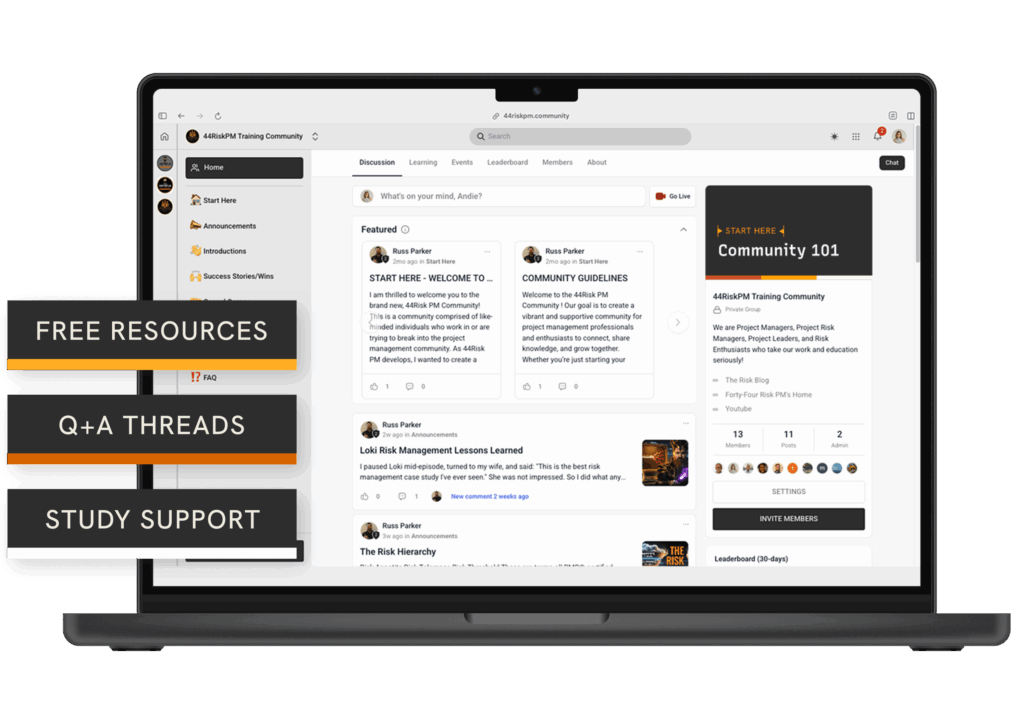
Whether you’re just starting or deep into studying, the 44Risk PM community gives you access to free resources, structured guidance, and a place to ask real questions. No pressure. Just practical support.