PMI dropped big news at their recent Global event: a new advanced certification is coming for seasoned project managers.
Immediately, rumors started swirling:
“Is the PMP being replaced?”
“Will this devalue my certification?”
“Is this a cash grab?”
Let’s cut through the noise.
In this post, we’ll break down exactly what this new credential means for project leaders, why it’s not a replacement for the PMP, and how it fits into PMI’s evolving certification strategy.
What the New PMI Certification Actually Is
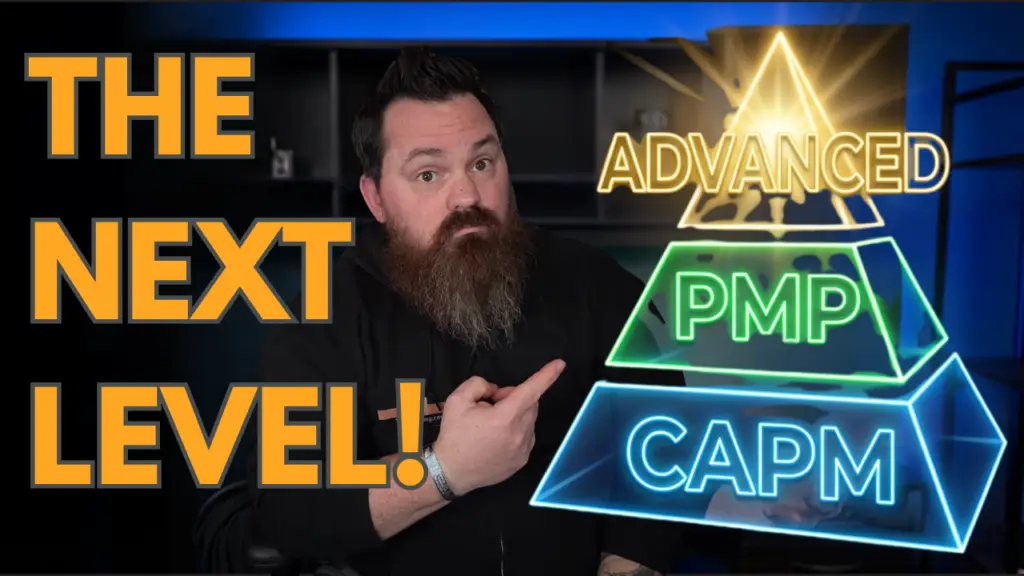
Let’s map this out clearly:
| Certification | Purpose | Ideal Candidate |
|---|---|---|
| CAPM | Entry-level, learn PM language | New to project management |
| PMP | Can lead full projects | Mid-career professionals |
| New Certification | Can lead complex, high-risk, enterprise-impact projects | Senior PMs with validated expertise |
| PgMP / PfMP | Manage programs/portfolios | Organizational leaders |
This new cert isn’t a “super PMP.” It’s a specialist-level credential, validating depth of experience in complex delivery environments.
Think of it like the “Board Certification” for PMs.
Why This Isn't a threat to PMP® Holders
Let’s address the big concern:
“Is my PMP still valuable?”
Yes. It’s more important than ever.
PMI is clarifying the ladder, not changing the game. The PMP remains:
The global standard for demonstrating project delivery capability
A prerequisite or strong foundation for advancement
A powerful tool for career mobility
This new credential simply acknowledges that some PMs operate at a higher complexity level, and deserve to showcase that expertise.
In fact, it elevates the PMP—because now there’s a clear, structured path forward.

How to Position This Certification to Stakeholders
The real risk right now isn’t to the PMP—it’s misunderstanding in the market.
Here’s how to talk about it in interviews, boardrooms, or coaching clients:
“The PMP proves I can lead projects effectively across methodologies.”
“This new certification is for high-stakes complexity—PMP is the base.”
“I’m building from PMP into specialized expertise as my career grows.”
💬 Pro tip: Emphasize that project complexity ≠ project size. PMI has yet to define it clearly, but seasoned PMs already know the difference.
What You Should Do Now
If you’re a PMP (or working toward it), here’s your action plan:
1. Don’t panic.
There’s no need to change course. The PMP is still the gold standard.
2. Watch PMI’s rollout closely.
Details on eligibility, peer review, and training will matter. Subscribe to PMI’s updates.
3. Position yourself strategically.
If you’re in high-complexity environments (regulatory, global, tech), you may want to consider this new certification later—as a career advancement step.
4. Get your messaging tight.
Update your LinkedIn headline and resume with clear, confident language around PMP vs. the new credential.
My Thoughts: It's a Signal, Not a Shakeup
This isn’t a replacement—it’s a recognition.
PMI is building a career ladder for modern project professionals. They’re acknowledging what we already know: leading delivery is not the same as managing tasks. The PMP still proves delivery leadership. This new cert proves enterprise-grade, strategic resilience.
So if you’ve already earned your PMP, hold your head high.
You’re not being displaced.
You’re being invited to step into the next level—when you’re ready.
Ready to Prepare for the PMP®?
Use the button below to see my upcoming PMP® Exam Prep Course Schedule.
Learn More About Forty-Four Risk PM, LLC at: https://44riskpm.com/home/